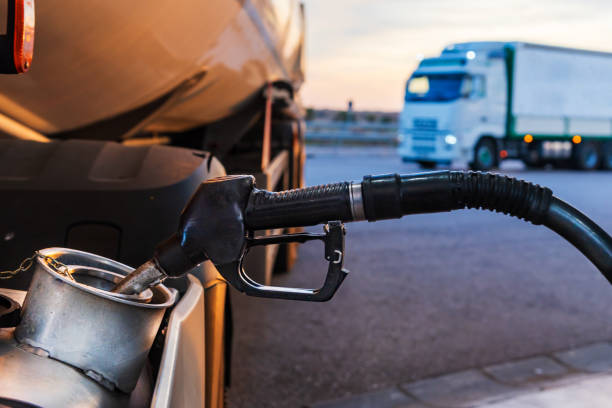
Not all diesel is the same. Learn the difference between 10ppm, 50ppm and 500ppm diesel in South Africa and how to choose the right fuel for your fleet, generators or industrial operations.
Fuel Buying GuideDiesel Supply
Many diesel buyers assume that all diesel is the same, but that is not true. In South Africa, businesses often need to choose between 10ppm, 50ppm and 500ppm diesel, and the right option depends on the type of equipment or vehicles being used.
If you are buying diesel in bulk, understanding these differences is important. The wrong choice can affect engine performance, maintenance costs and long-term reliability.
What does ppm mean?
The term ppm means parts per million. In diesel, it refers to the amount of sulphur in the fuel. A lower ppm number means lower sulphur content.
Lower sulphur diesel is generally cleaner and is often required for newer engines and systems. Higher sulphur diesel may still be used in some older applications, depending on the equipment and operating environment.
Understanding 500ppm diesel
500ppm diesel has a higher sulphur content compared to lower sulphur options like 50ppm and 10ppm. It is more commonly associated with older diesel engines and certain heavy-duty applications where ultra-low sulphur fuel may not be essential.
Businesses using older equipment may still consider 500ppm where appropriate, but it is important to make sure that this grade is actually suitable for the machinery being used.
Understanding 50ppm diesel
50ppm diesel is a lower sulphur option and is widely used in South Africa. It is often a practical choice for many businesses operating generators, fleets and industrial equipment that need cleaner fuel than 500ppm.
For many commercial buyers, 50ppm provides a good balance between cleaner performance, availability and compatibility with modern diesel-powered systems.
Understanding 10ppm diesel
10ppm diesel is an even cleaner fuel with very low sulphur content. It is generally better suited to newer engines and vehicles with advanced emissions systems.
Businesses with modern fleets or premium diesel equipment may benefit from using 10ppm because it supports cleaner combustion and better compatibility with newer technology. When in doubt, always check the manufacturer’s recommendation first.
How to choose the right diesel for your business
The best starting point is your equipment manual or manufacturer guideline. If a machine, vehicle or generator requires a specific diesel grade, that should guide the decision immediately.
After that, think about your wider operations. If your business has a mixed fleet with both older and newer equipment, you may need to consider whether using one standard grade makes sense or whether fuel needs should be separated based on application.
Why using the wrong diesel can cost more
Some buyers choose fuel based only on price, but cheaper diesel is not always the better deal. The wrong fuel can lead to poor performance, increased maintenance, engine issues and unnecessary long-term costs.
It is better to buy the right diesel once than to save a small amount today and pay for it later in repairs or equipment problems.
Final takeaway
Choosing between 10ppm, 50ppm and 500ppm diesel in South Africa should not be guesswork. The right diesel depends on your engine requirements, operating environment and long-term maintenance priorities.
If you are ordering fuel in bulk, make sure your supplier understands your business and can recommend the correct diesel grade for your fleet, generators or equipment. That way, you protect both performance and cost efficiency.
Leave a Reply