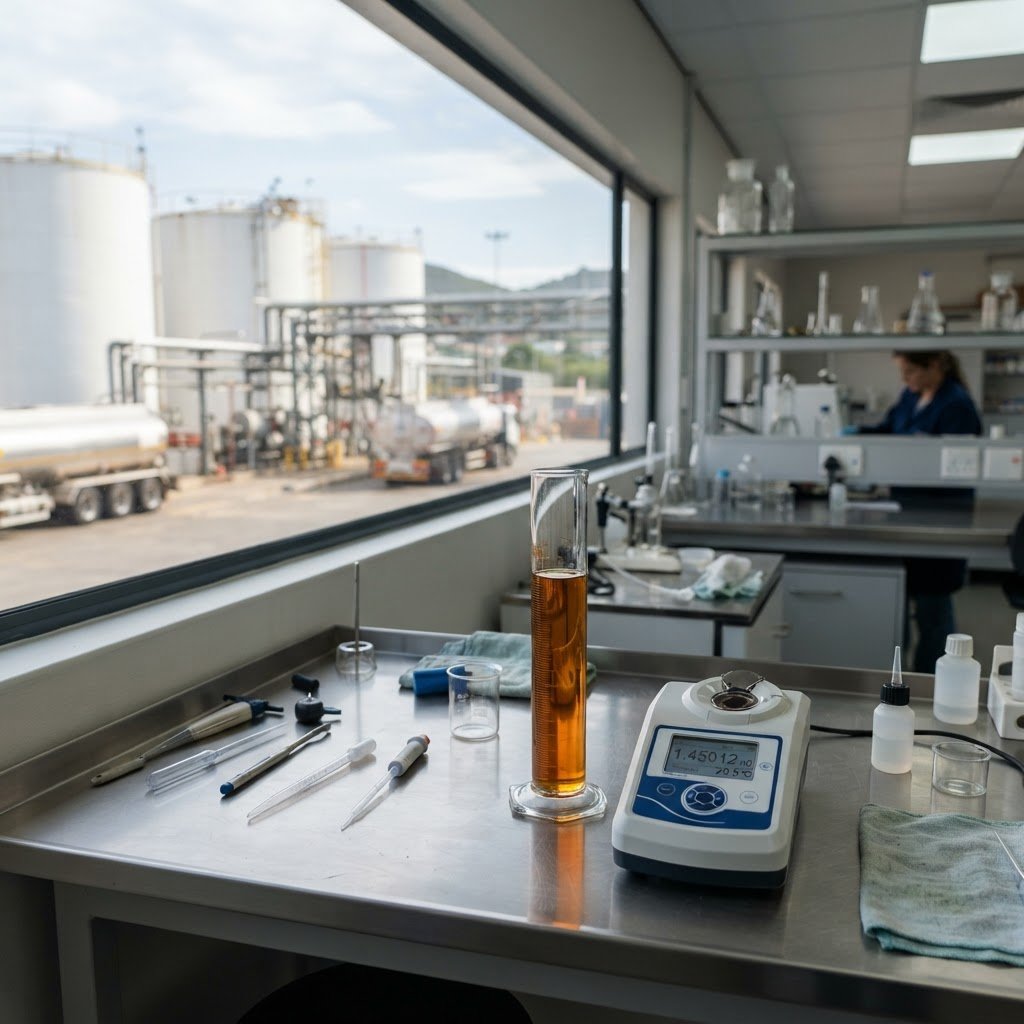
For businesses in the logistics, mining, construction, and agricultural sectors, diesel is more than a commodity; it is the lifeblood of daily operations. However, not all diesel is created equal. In South Africa, the quality of fuel is governed by specific technical regulations, with SANS 342 acting as the cornerstone for automotive diesel standards. Understanding this standard is essential for procurement managers looking to maintain fleet reliability and prevent the hidden costs associated with substandard fuel.
Understanding SANS 342: The Benchmark for Diesel Quality
SANS 342 is the South African National Standard that defines the requirements for automotive diesel fuel. These specifications are established and maintained by the South African Bureau of Standards (SABS). The primary purpose of this standard is to ensure that diesel sold across the country meets specific chemical and physical criteria that make it safe and effective for use in modern internal combustion engines.
Adherence to SANS 342 is not merely a technical checkbox; it is a critical safeguard for engine longevity. Modern engines, particularly those featuring high-pressure common rail injection systems, are incredibly sensitive to the chemical composition of their fuel. Using diesel that falls outside of these parameters can lead to significant mechanical issues, often leading to reduced power output, increased emissions, and long-term damage.
Key Technical Requirements of SANS 342
The standard regulates a variety of parameters that dictate how diesel performs within an engine. Key among these are:
- Lubricity: Essential for preventing excessive wear on high-pressure fuel pumps and injectors, which rely on the fuel itself for lubrication.
- Cetane Number: This measures the ignition quality of the diesel. A higher cetane number generally indicates better combustion characteristics, which aids in cold starting and reduces engine noise.
- Sulphur Content: The concentration of sulphur, measured in parts per million (PPM), is a major differentiator in fuel types. SANS 342 sets the limits for these classifications, helping to reduce harmful exhaust emissions and protect exhaust after-treatment systems like diesel particulate filters (DPFs).
By defining these metrics, SANS 342 ensures that the fuel delivered to your site or refueling station is fit for purpose, regardless of the specific PPM grade required by your machinery.
The Impact of Fuel Quality on Business Operations
Procuring fuel that fails to meet SANS 342 specifications can have severe consequences for a business. The risks extend far beyond a single engine failure. When fleet vehicles or heavy industrial machinery run on contaminated or non-compliant diesel, the maintenance burden increases significantly.
Common issues resulting from poor quality fuel include clogged fuel filters, compromised injector performance, and accelerated internal engine corrosion. These problems translate into increased downtime and hefty repair bills. Furthermore, many original equipment manufacturers (OEMs) strictly require the use of SANS-compliant fuel to maintain their warranties. If an engine failure is traced back to fuel that does not meet national standards, your business could face the risk of a voided warranty, leaving you responsible for expensive repairs.
For more insights on the complexities of the market, you can read our guide on what smart businesses should check before they buy when sourcing bulk fuel.
Selecting Suppliers Who Prioritise Quality
Ensuring your supply chain remains robust starts with selecting the right partners. When engaging with fuel suppliers, procurement teams should consistently ask for documentation proving compliance with current national standards.
Key steps in the selection process include:
- Requesting a Certificate of Analysis (CoA): A CoA provides a detailed breakdown of the fuel’s chemical composition, verifying that the batch delivered meets the requirements of SANS 342.
- Querying Testing Procedures: Ask potential suppliers how they monitor fuel quality across their supply chain, including their testing frequency.
- Using Verified Networks: Connecting with providers through platforms that emphasize supplier documentation, such as the Petroleum Directory, can help you identify partners who are transparent about their compliance status.
It is important to remember that choosing the right diesel grade is just as important as ensuring it is compliant. Understanding the differences between 10ppm, 50ppm, and 500ppm fuel will ensure you are sourcing the correct product for your specific equipment.
Frequently Asked Questions
Does SANS 342 apply to all diesel sold in South Africa?
Yes, SANS 342 provides the overarching technical specifications for automotive diesel in South Africa. Any supplier providing diesel for automotive use is expected to adhere to these national standards to ensure engine compatibility and safety.
How can I verify if my current diesel delivery meets SANS requirements?
You can verify compliance by requesting a recent Certificate of Analysis (CoA) from your fuel supplier for the specific batch delivered. This document should reflect the testing results against SANS 342 parameters.
What is the difference between SANS 342 and international standards?
While SANS 342 is tailored to the specific regulatory and operational context of South Africa, it often aligns with international best practices for diesel quality. The primary focus remains on ensuring that local fuel meets the engineering requirements of the engines found in the South African vehicle and industrial fleet.
If you are ready to secure a reliable supply chain for your operations, find verified suppliers through our platform today to begin your procurement process.
Leave a Reply