Fuel costs continue to affect South African businesses. Learn how diesel and petroleum prices impact operations and supplier decisions.
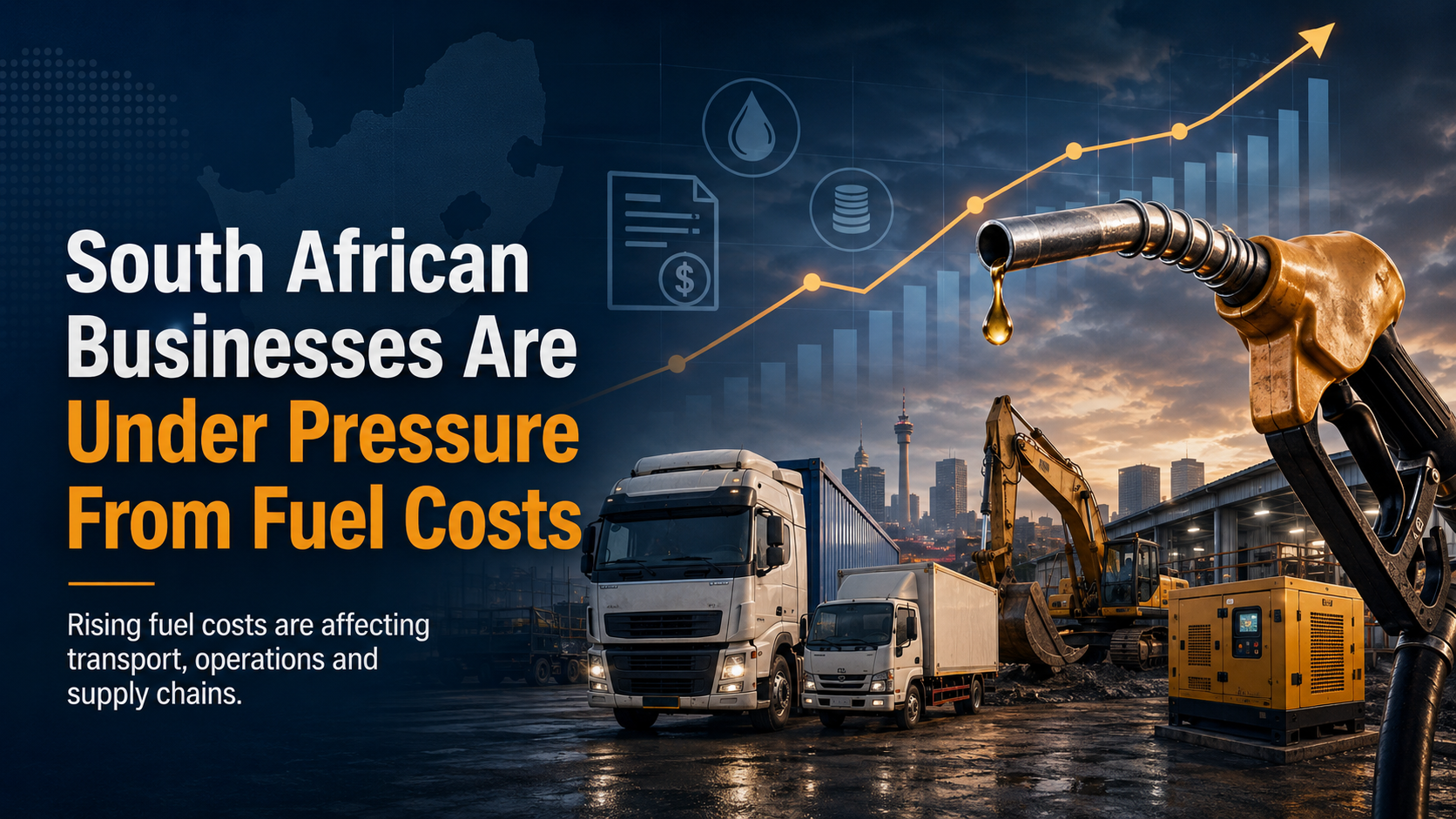
Fuel costs remain one of the biggest challenges for many South African businesses. Whether a company runs trucks, generators, mining equipment, construction machinery or delivery vehicles, fuel affects daily operations.
When fuel prices rise, businesses feel the pressure quickly. When prices drop, businesses may get relief, but uncertainty remains because fuel prices can change again the following month.
This is why reliable fuel sourcing has become a serious business issue.
Fuel Affects More Than Transport
Many people think fuel prices only affect motorists. In reality, fuel costs affect almost every part of business.
Fuel prices can influence:
Delivery fees
Product pricing
Tender costs
Project deadlines
Machinery expenses
Generator costs
Farming input
costs Logistics and supply chain costs
For a business that uses large volumes of diesel, a fuel price change can affect profit margins immediately.
The Risk of Chasing the Cheapest Supplier
When businesses are under pressure, it is tempting to choose the cheapest supplier. But in the petroleum industry, price should not be the only factor.
A cheap fuel offer can become expensive if the supplier fails to deliver, delivers late, provides poor-quality product, or disappears after payment.
Some buyers also face the risk of mixed or contaminated diesel. This can damage engines, machinery and equipment. The repair costs can be much higher than the small saving from choosing a cheaper supplier.
What Businesses Should Do
Businesses should build a better fuel sourcing process.
Before accepting a quote, check:
Supplier registration details
Location and delivery area
Product availability
Delivery lead times
Proof of past deliveries
Compliance documents
Quality documents where necessary
Clear contact information
A serious supplier should not struggle to provide basic business information.
Petroleum Directory Makes Fuel Sourcing Easier
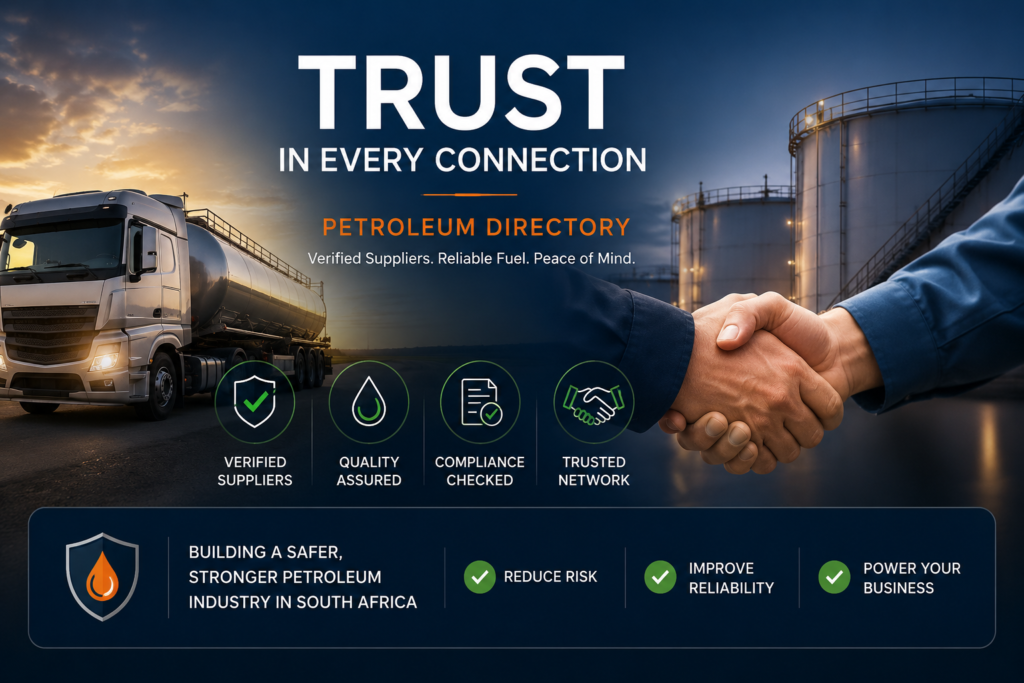
Petroleum Directory South Africa helps buyers find vetted petroleum suppliers in one place. Instead of searching through random contacts, buyers can browse supplier profiles and connect with suppliers that have gone through a verification process.
This helps save time, reduce risk and improve procurement confidence.
Final Thought
Fuel costs are putting pressure on South African businesses, but the solution is not only to find cheaper fuel. The smarter solution is to find reliable suppliers, compare properly and reduce the risk of bad deals.
Find verified petroleum suppliers in South Africa: https://www.petroleumdirectory.co.za
Fuel Prices Rising in South Africa: What Businesses Need to Know in 2026
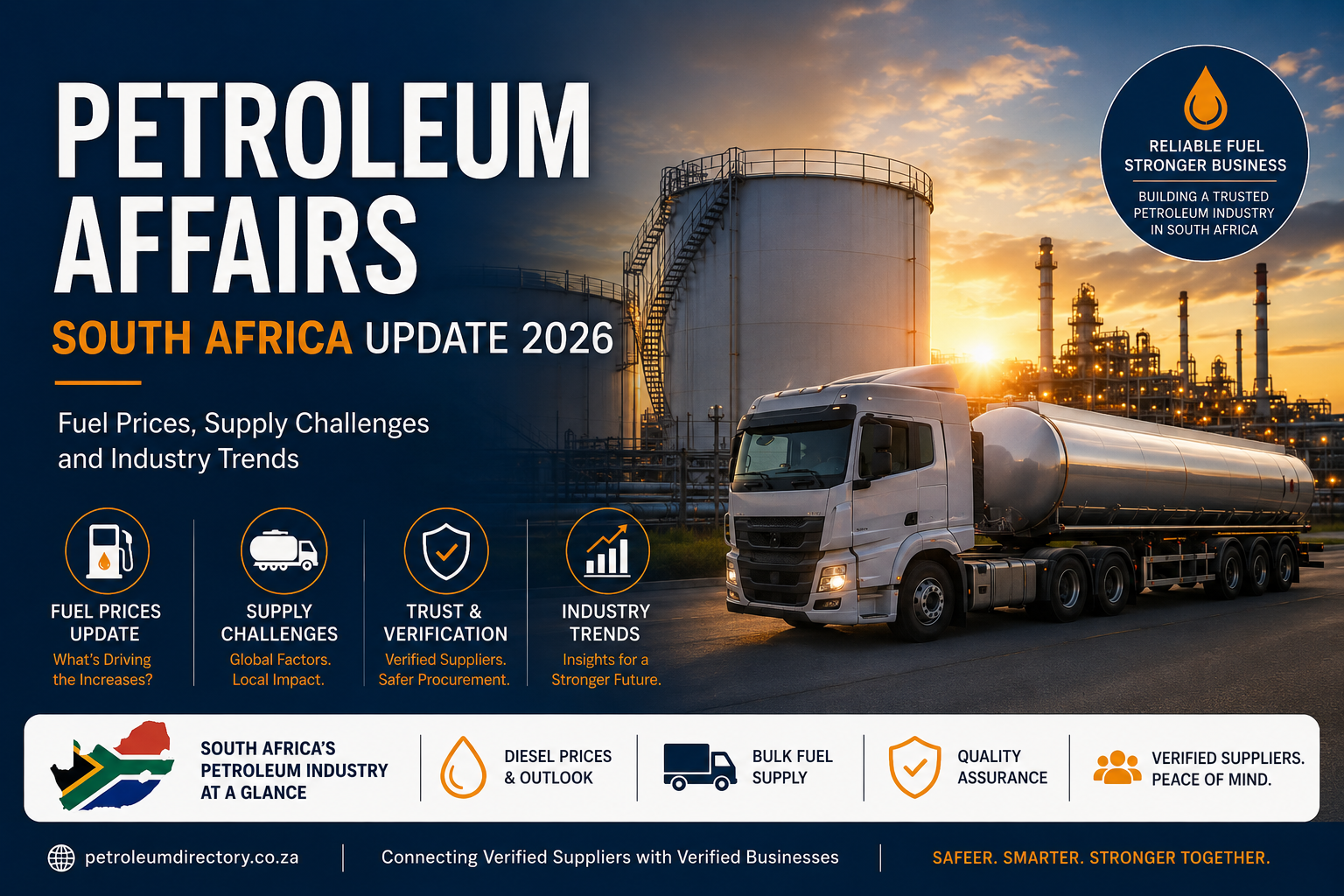
South Africa’s petroleum industry is facing one of its most volatile periods in recent years. Rising global oil prices, diesel shortages, geopolitical tensions in the Middle East, and increasing demand for bulk fuel supply have all placed pressure on businesses across the country.
From logistics companies and mines to farms and construction firms, many South African businesses are now urgently searching for reliable bulk diesel suppliers, wholesale fuel providers, and verified petroleum distributors.
Fuel Prices Continue to Rise in South Africa
The Department of Mineral and Petroleum Resources (DMPR) confirmed significant fuel price increases effective from May 2026. Petrol increased by more than R3 per litre, while diesel surged by over R6 per litre due to global supply disruptions and rising crude oil prices.
The DMPR stated that the main drivers behind the increase include:
Higher Brent crude oil prices
Supply disruptions linked to Middle East conflict
Increased shipping and importation costs
Pressure on global diesel supply chains
According to the Department:
“South Africa imports both crude oil and finished products at prices set internationally.”
Businesses dependent on diesel generators, fleet transport, mining equipment, and heavy machinery are already experiencing increased operational costs.
Why Diesel Prices Matter More Than Petrol
While petrol affects consumers directly, diesel remains the backbone of South Africa’s industrial economy.
Industries heavily affected include:
Logistics and trucking
Construction
Agriculture
Mining
Manufacturing
Backup power generation
Recent reports indicate that some diesel prices exceeded R31/litre in parts of South Africa during May 2026.
South African farmers have also warned that rising diesel costs could threaten harvest profitability and increase food prices nationwide.
Growing Demand for Bulk Diesel Suppliers in South Africa
As prices rise, businesses are increasingly searching online for:
Bulk diesel suppliers in South Africa
Diesel suppliers Gauteng
Wholesale fuel suppliers
Mobile diesel delivery
Diesel suppliers near Johannesburg
Fuel suppliers below grid price
Search demand for petroleum-related services has grown significantly, especially among companies looking for:
Reliable delivery
Better fuel pricing
Fast turnaround times
Quality-tested diesel
Verified fuel suppliers
This demand creates a major opportunity for verified suppliers listed on petroleum-focused directories.
wholesale fuel suppliers
The Importance of Supplier Verification
Fraud and fuel quality concerns continue to affect the South African petroleum industry. Businesses are becoming more cautious when selecting suppliers, especially after multiple reports of contaminated or off-spec diesel.
Platforms like the Petroleum Directory are attempting to solve this through tiered supplier verification systems that include:
Business verification
Compliance checks
Supply chain legitimacy
Quality documentation
Accredited laboratory reports
The platform’s verification model includes Tier 1 Verified Suppliers, Tier 2 Verified + Quality Suppliers, and Tier 3 Preferred Suppliers.
The Elaney Petroleum Directory was specifically designed to connect verified suppliers with buyers while reducing fraud and procurement risk in South Africa’s fuel sector.
Africa’s Refinery Expansion Could Change Fuel Supply
Across Africa, refinery development is becoming a major focus.
Nigerian billionaire Aliko Dangote is reportedly considering building a massive refinery in Kenya after the success of the Dangote Refinery in Nigeria.
The Dangote Refinery has already become one of the world’s largest refining projects and is expected to reshape fuel supply across Africa.
At the same time, Angola is expanding its refining infrastructure to reduce reliance on imported petroleum products.
These developments could eventually improve fuel stability and supply security across Southern Africa.
South Africa’s Fuel Supply Challenges
South Africa still relies heavily on imported fuel and refined petroleum products, making the country vulnerable to:
International oil shocks
Shipping disruptions
Currency volatility
Global geopolitical conflict
Recent instability around the Strait of Hormuz significantly impacted global diesel pricing and shipping costs.
Industry experts warn that fuel volatility may continue throughout 2026 unless international oil markets stabilize.
What Businesses Should Do Now
Businesses that rely heavily on fuel should consider:
Securing long-term supply agreements
Comparing multiple fuel suppliers
Using verified petroleum directories
Monitoring monthly fuel adjustments
Vetting suppliers carefully before procurement
Companies are also encouraged to work with suppliers that can provide:
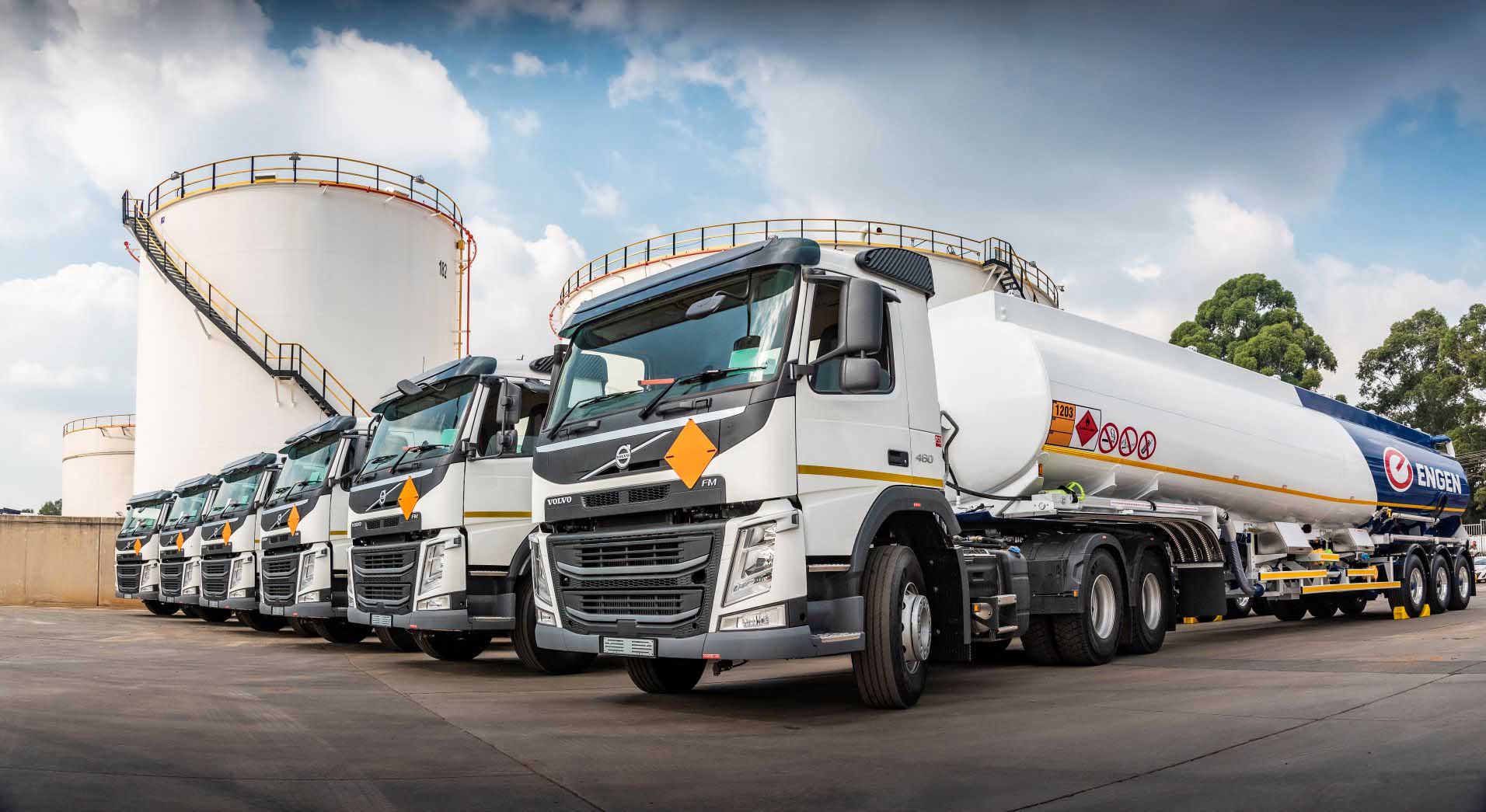
Bulk delivery capability
Quality assurance documentation
Reliable turnaround times
Emergency fuel delivery services
Useful Petroleum Industry Resources
Businesses looking for suppliers, fuel updates, or compliance information can use:
Final Outlook for South Africa’s Petroleum Industry
The petroleum industry in South Africa is entering a period of major transformation. Rising fuel costs, supply chain pressure, and increased demand for reliable suppliers are changing how businesses procure fuel.
Companies that build relationships with trusted, verified diesel suppliers will be in a stronger position to manage fuel risk, maintain operational continuity, and protect profitability during ongoing market uncertainty.
If your business depends on generators, fleet vehicles, construction equipment, agricultural machinery or industrial operations, fuel procurement is not a minor admin task. It is a business continuity decision. In South Africa, where fuel prices are adjusted monthly and diesel costs can materially affect margins, buying diesel in bulk is often the smarter long-term approach for companies that use fuel consistently.
A bulk diesel purchase is about more than just finding the lowest price per litre. The real value comes from reliability, product quality, delivery turnaround time, safe storage support and accurate documentation. South Africa’s fuel pricing system is influenced by international product prices, shipping costs and the rand/dollar exchange rate, which means buyers should work with suppliers who can explain price movements clearly and quote transparently.
Before placing a bulk diesel order, the first question to ask is simple: what diesel grade do you actually need? In South Africa, diesel is commonly supplied in different sulphur grades, including 500ppm, 50ppm and 10ppm, depending on the equipment, vehicle requirements and application. Using the wrong grade can affect engine performance, emissions systems and long-term maintenance costs.
The second thing to check is supplier credibility and compliance. A serious bulk diesel supplier should be able to confirm product specifications, invoicing accuracy, delivery processes and storage handling standards. For business buyers, this matters because poor-quality fuel, short deliveries or inconsistent logistics can create expensive downtime. A reputable supplier should also be able to support recurring deliveries rather than only once-off orders.
Another important issue is delivery capability. Many companies focus only on the price per litre and forget to ask how quickly fuel can be delivered, what the minimum order size is, and whether the supplier can support multiple sites. If your business runs generators during outages, manages a transport fleet or powers equipment in remote locations, response time is just as important as price.
Storage is also part of the buying decision. Bulk diesel purchase works best when the buyer has safe, legal and practical storage available on-site. That includes the right tank size, access for tankers, spill-prevention measures and a clear plan for stock monitoring. A good supplier relationship should include guidance on delivery scheduling so that your site does not run dry or over-order.
Price planning matters too. South Africa’s diesel price is not static. The Department of Mineral and Petroleum Resources adjusts fuel prices monthly, and those adjustments are driven by local and international factors. In March 2026, for example, diesel prices increased again, showing why businesses need procurement plans rather than last-minute emergency purchases.
For certain industries, there may also be tax or refund implications worth understanding. SARS recently announced an adjustment to the diesel refund system for qualifying on-land users in farming, forestry and mining, effective from 1 April 2026. That means eligible businesses should think beyond pump price alone and consider how fuel administration affects their real cost.
The best bulk diesel buying strategy is usually a simple one: buy from a supplier who can give you consistent product quality, dependable delivery, clear communication and commercial flexibility. The cheapest quote is not always the cheapest outcome if it comes with delays, uncertainty or poor support.
For businesses in South Africa, bulk diesel purchase is ultimately about stability. When fuel is critical to your operations, the right supplier helps you protect uptime, manage costs and plan ahead with confidence.
Buying diesel in bulk can lower operational risk, improve delivery planning and help businesses control fuel costs. Here is what South African businesses should check before choosing a bulk diesel supplier.