Blog

  • Sourcing Reliable Agriculture Diesel Suppliers: A Procurement Guide for South African Farmers

    Sourcing Reliable Agriculture Diesel Suppliers: A Procurement Guide for South African Farmers

    Why Reliable Diesel Supply is Critical for South African Agriculture

    For the modern South African farmer, diesel is as essential as water. From powering large-scale irrigation systems to fueling harvesters and transport fleets, your operation’s continuity depends on a consistent fuel supply. When fuel deliveries are delayed or interrupted during peak planting or harvesting seasons, the impact on your bottom line can be significant.

    Furthermore, South Africa’s fuel prices are subject to regular, often volatile, market adjustments. Managing these costs effectively requires more than just reacting to price changes; it necessitates strategic planning. Establishing a robust fuel supply chain allows you to mitigate risks and better manage your seasonal margins in an unpredictable economic environment.

    Buying Requirements: What Farmers Need to Consider

    Before soliciting quotes, it is crucial to assess your internal infrastructure and requirements. Accurate volume estimation is the first step—examine your historical consumption patterns against your upcoming planting and harvest cycles. This prevents the dual risks of overstocking or running dry during critical operational windows.

    Infrastructure is equally vital. Ensure your on-site storage tanks are rated for the volume you intend to hold, and verify that they meet all mandatory South African safety standards. Adhering to these regulations is not only a matter of legal compliance but also a essential step in preventing environmental contamination and ensuring workplace safety. For more insights on how to approach these procurement decisions, read our guide on what smart businesses should check before they buy.

    Selection Criteria for Agriculture Diesel Suppliers

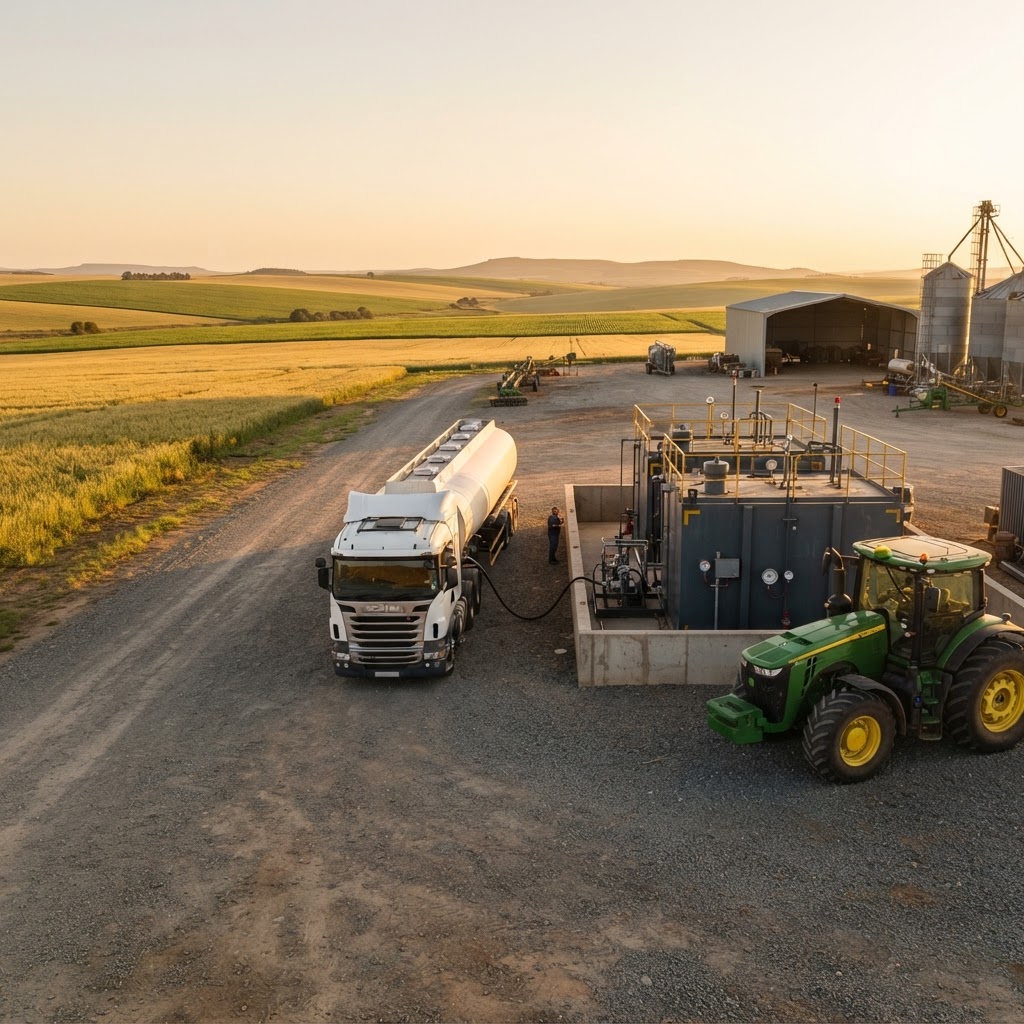
    Not all fuel distributors are equipped to service rural agricultural environments. When evaluating potential partners, geographic proximity is key, as it directly impacts your delivery lead times. However, logistical capacity is equally important; you need a supplier with vehicles capable of navigating rural terrain and off-road delivery points without compromising delivery schedules.

    Verification is the ultimate filter. Always prioritize working with vetted suppliers who can provide proof of legitimacy. Understanding the difference between fuel grades—such as 10ppm, 50ppm, or 500ppm—is also critical for engine longevity. You can learn more about choosing the right grade for your specific machinery in our South African buyer’s guide to choosing the right diesel.

    Questions to Ask Potential Diesel Suppliers

    When vetting a new supplier, clarity is your best defense against supply chain disruptions. Ask the following questions during your initial consultation:

    • What is your standard service radius, and how do you handle emergency deliveries in remote areas?
    • How do you ensure supply chain reliability, and what is your access to bulk reserves during national shortages?
    • What measures are in place to maintain fuel quality during transit, specifically regarding filtration and anti-contamination protocols?
    • Can you provide documentation regarding your compliance with current petroleum industry regulations?

    Risks to Avoid in Fuel Procurement

    The most common pitfall in fuel procurement is prioritizing the lowest price per liter above all else. ‘Off-spec’ or substandard fuel can cause catastrophic damage to high-pressure common rail engines found in modern tractors and harvesters, leading to expensive repairs and significant downtime. Furthermore, relying on informal suppliers who cannot provide proper tax invoices or safety certifications exposes your business to unnecessary operational and legal risks.

    Always verify the legitimacy of your partners. You can learn more about why rigorous supplier vetting is essential by reviewing our supplier verification process.

    Decision Checklist for Agricultural Buyers

    To streamline your procurement, use this checklist before finalizing any long-term supply agreement:

    1. Document Check: Confirm the supplier’s business registration and regulatory compliance records.
    2. Infrastructure Audit: Ensure your storage facilities are clean, accessible, and compliant with safety standards.
    3. Compare Quotes: Utilize a digital marketplace to compare multiple, verified quotes rather than relying on a single source.
    4. Build Relationships: Focus on establishing a long-term partnership with a supplier that understands the specific demands of your agricultural calendar.

    If you are looking to find vetted partners to secure your fuel supply, we invite you to explore our platform. Find verified suppliers today to get started with your next RFQ.


  • Understanding November 2026 Fuel Price Adjustments: A Guide for South African Commercial Buyers

    Understanding November 2026 Fuel Price Adjustments: A Guide for South African Commercial Buyers

    For South African procurement teams, fleet managers, and business owners, fuel price adjustments are rarely just administrative updates. They are critical events that shift operational budgets and necessitate immediate procurement responses. As we look toward November 2026, understanding the mechanisms behind these fluctuations is essential for maintaining business continuity.

    Navigating Fuel Price Volatility in November 2026

    Recent government decisions regarding fuel levies have introduced a shift in the pricing landscape. For commercial operators, it is vital to distinguish between regulated retail pump prices and the wholesale diesel pricing structures that govern bulk purchases. While retail prices are set by the Department of Energy, wholesale diesel prices are typically unregulated, allowing for competitive market pricing based on supply chain logistics and individual supplier agreements.

    Monthly adjustments remain a significant factor for operational planning. Sudden changes in input costs can disrupt project margins, especially for industries like construction, mining, and long-haul logistics. To learn more about navigating these changes, you can read our latest updates on fuel price changes in South Africa.

    Factors Influencing Recent Petroleum Price Movements

    Petroleum price movements in South Africa are rarely the result of a single factor. Instead, they represent a complex interplay of international and domestic variables:

    • Government Interventions: Adjustments to the General Fuel Levy or specific relief packages directly influence the landed cost of fuel. These interventions are often designed to cushion the impact of global price spikes on the local economy.
    • Global Oil Markets: As a net importer of petroleum products, South Africa remains vulnerable to fluctuations in Brent Crude oil prices and the prevailing Rand/Dollar exchange rate.
    • Depot-Level Logistics: Macroeconomic variables are often magnified at the depot level, where transport costs, storage fees, and demand surges can lead to variations in the final price offered to wholesale buyers.

    Businesses often face intense pressure when these factors align negatively. You can explore how these dynamics affect operational overheads in our guide on how fuel costs impact South African businesses.

    Strategic Fuel Procurement in a Fluctuating Market

    In a market defined by volatility, procurement teams should prioritize supply security over price speculation. While chasing the lowest headline price may seem attractive, the hidden costs of interrupted supply or poor-quality fuel can be far more damaging to a company’s bottom line.

    Maintaining long-term relationships with verified suppliers is a more resilient strategy. These relationships often allow for more predictable delivery schedules and better cash flow management. Furthermore, leveraging a structured Request for Quote (RFQ) process enables procurement teams to compare offerings based on total landed cost—which includes transport logistics and delivery lead times—rather than just the per-litre price of the fuel. For best practices in this area, see our guide on what smart businesses should check when buying bulk diesel.

    Decision Checklist for Bulk Fuel Buyers

    Before entering into or renewing a bulk fuel contract, ensure you have covered these essential due diligence steps:

    • Verify Supplier Compliance: Ensure your supplier holds the necessary licenses and documentation. Verification helps confirm that the supplier is operating within the legal framework.
    • Assess Storage Capacity: Match your fuel storage capacity with your delivery frequency to avoid stockouts while managing your working capital effectively.
    • Evaluate Logistics: Consider the distance from the fuel depot to your site. Delivery costs can significantly impact the total price per litre.
    • Understand Product Specs: Different equipment requires different grades of fuel. Understanding whether your fleet needs 10ppm, 50ppm, or 500ppm diesel is critical to equipment longevity. Our buyer's guide to choosing the right diesel provides further detail on these differences.

    Frequently Asked Questions

    Do government fuel price adjustments affect wholesale diesel contracts immediately?

    While wholesale diesel pricing is not regulated in the same way as retail petrol, wholesale prices are heavily influenced by the same international product price indices and government levies. As a result, adjustments to the national fuel price structure generally filter through to wholesale contracts during the monthly cycle.

    How can businesses mitigate the risk of price volatility in their fuel budgets?

    Mitigation strategies include maintaining diverse supply channels, optimizing delivery logistics to reduce transport costs, and utilizing an RFQ marketplace to ensure competitive market pricing. Additionally, consistent monitoring of market trends through industry news can help with more accurate forecasting.

    What documentation should I request from a new fuel supplier?

    When vetting a new supplier, request their business registration documents, valid fuel wholesaler or distributor licenses, and evidence of fuel quality compliance. If they are part of a verification platform, check their supplier tier status to understand what documentation they have provided for review.

    Ready to secure your fuel supply? Find verified suppliers on our platform today to begin requesting quotes for your bulk requirements.

  • Sourcing Bulk Diesel Suppliers in KwaZulu-Natal: A Procurement Guide for Businesses

    Sourcing Bulk Diesel Suppliers in KwaZulu-Natal: A Procurement Guide for Businesses

    The Importance of Reliable Diesel Supply in KwaZulu-Natal

    Diesel remains the lifeblood of KwaZulu-Natal’s diverse industrial landscape. From the bustling logistics corridors connecting the Durban port to the hinterland, to the critical mining operations, agricultural hubs, and manufacturing facilities across the province, consistent fuel access is a non-negotiable operational requirement. For procurement managers and business owners, selecting the right partner is not merely about finding a price; it is a fundamental business continuity decision that mitigates operational risk.

    Geographic factors play a significant role in KZN. Local logistics, including terrain and transit time to remote agricultural or mining sites, can impact delivery schedules. Understanding these provincial supply chain nuances helps businesses build resilient partnerships that can weather periods of market volatility.

    Essential Selection Criteria for KZN Diesel Suppliers

    When evaluating potential fuel partners, you must look beyond surface-level quotes. Professional procurement requires a rigorous vetting process based on transparency and compliance. Before finalising a contract, ensure your supplier meets the following criteria:

    • Compliance Documentation: Verify that the supplier holds the necessary industry licenses and adheres to SANS 342 fuel quality standards. Compliance ensures the product is fit for purpose and reduces the risk of engine damage.
    • Delivery Infrastructure: Assess whether the supplier maintains a fleet capable of meeting your specific volume and frequency requirements. A supplier with a robust, well-maintained tanker fleet is better positioned to handle regional delivery challenges.
    • Pricing Transparency: The fuel market is dynamic. Ensure your supplier provides clear insight into their pricing structures, including how they account for monthly wholesale price adjustments. For more insight into market trends, refer to the latest petrol and diesel price changes.

    Questions to Ask Before Selecting a Supplier

    Vetting is most effective when you ask direct, high-value questions. Use this list to test the operational readiness of prospective partners:

    • Supply Capacity: Can the supplier guarantee consistent volumes during peak demand periods when the wider industry may experience supply tightening?
    • Lead Times: What are the expected lead times for standard vs. urgent delivery requests in your specific KZN operating area?
    • Safety Protocols: Does the supplier follow strict environmental and safety protocols during the offloading process?
    • Payment Terms: Are the invoicing processes clear, and do the payment terms align with your company’s cash flow requirements?

    Risks to Avoid When Sourcing Bulk Fuel

    While cost-efficiency is essential, choosing a supplier based solely on the lowest price often exposes a business to significant risks. Beware of offers that seem too good to be true, as they may indicate compromised quality, unvetted operational practices, or inconsistent supply chains. Always verify the supplier's credentials through the Petroleum Directory verification process to ensure they are a legitimate entity with verified documentation.

    Streamlining Your Procurement with a Digital Marketplace

    Managing the procurement lifecycle in KZN requires efficiency. A digital petroleum marketplace simplifies this by providing a centralised platform to connect with pre-vetted suppliers. Instead of manually calling multiple depots, you can request quotes (RFQs) through a single system, allowing for an objective comparison of service levels, delivery capacities, and pricing. Using a marketplace helps procurement teams save time and maintain a consistent audit trail of their sourcing activities.

    Decision Checklist for KZN Procurement Teams

    To ensure your next bulk fuel purchase is successful, follow this checklist:

    1. Define Technical Requirements: Confirm if you require 10ppm, 50ppm, or 500ppm diesel based on your fleet or generator engine specifications.
    2. Verify Credentials: Check the supplier’s compliance status and alignment with SANS 342 standards.
    3. Request Multiple Quotes: Use an RFQ system to compare offerings from several verified suppliers simultaneously.
    4. Assess Logistics: Ensure the supplier has documented experience delivering to your specific location in KwaZulu-Natal.

    Reliable fuel procurement is a critical factor in maintaining your business's output and operational stability. By following these steps and utilising a transparent, digital approach to finding suppliers, you can better protect your bottom line against supply chain disruptions. Find verified suppliers and take the next step in professionalising your fuel procurement strategy today.

  • Sourcing Reliable Bulk Diesel Suppliers in Pretoria: A Procurement Guide for Businesses

    Sourcing Reliable Bulk Diesel Suppliers in Pretoria: A Procurement Guide for Businesses

    The Strategic Importance of Secure Fuel Supply in Pretoria

    For businesses across Pretoria, from logistics firms and construction sites to agricultural operations, diesel is more than a commodity; it is a critical production input. When fuel supply chains are disrupted, the impact on operational continuity is immediate and often costly. Relying on an unvetted or singular supplier can expose your business to delivery delays, quality inconsistencies, and price volatility.

    Understanding how to navigate bulk diesel purchases is a fundamental aspect of risk management. By moving beyond a price-only procurement strategy and focusing on supplier reliability and fuel quality, businesses can build a more resilient operation capable of weathering market fluctuations.

    Essential Criteria for Vetting Diesel Suppliers

    Vetting is the first line of defence against operational disruption. When evaluating potential partners in the Gauteng region, consider the following:

    • Compliance and Licensing: Ensure the supplier holds valid wholesale fuel licenses as regulated by the Department of Mineral Resources and Energy (DMRE). Verification of these documents is essential to confirm the supplier is authorised to trade.
    • Adherence to Standards: Confirm that the fuel supplied meets SANS 342 standards. This is critical for ensuring the longevity of your engines and machinery.
    • Operational Capacity: Assess the provider’s fleet size and delivery lead times. A supplier with limited vehicles may struggle to meet your demands during peak production periods or emergencies.
    • Infrastructure and Safety: A professional supplier should maintain compliant storage facilities. Inquire about their health and safety protocols to ensure they manage fuel storage and transit responsibly.
    • Product Range: Verify that the supplier can provide the specific grade—whether 10ppm, 50ppm, or 500ppm—required by your specific fleet or generator set. For more detail on these grades, read our buyer’s guide to choosing the right diesel.

    Questions Every Procurement Manager Should Ask

    During the negotiation phase, keep your discovery process structured by asking these critical questions:

    • What are your emergency delivery protocols? In the event of a fuel shortage, you need to know how the supplier prioritises existing contract holders.
    • How are price adjustments communicated? Diesel prices change monthly. A transparent supplier will have a clear process for notifying you of these shifts well in advance.
    • Can you provide proof of fuel quality testing? Request documentation from accredited laboratories to confirm the fuel’s integrity and traceability throughout the supply chain.

    How to Streamline Your Supplier Search

    Searching for suppliers manually can be time-consuming. Using an established B2B platform, such as Petroleum Directory, can help you connect with industry players more efficiently. Our tiered verification process allows businesses to filter suppliers based on their level of documentation, helping you identify partners who have taken the step to prove their compliance and operational standards.

    Additionally, using a structured Request for Quote (RFQ) process allows you to compare offers on a like-for-like basis. This ensures that you aren’t just comparing prices, but also evaluating the service-level agreements offered by each potential partner.

    Decision Checklist for Bulk Diesel Procurement

    Before signing a long-term supply agreement, ensure you have ticked the following boxes:

    • Confirmed valid wholesale licensing.
    • Verified that the supplier handles the specific ppm grade required for your machinery.
    • Reviewed their delivery track record and geographic reach in Gauteng.
    • Asked for clear terms on payment and price fluctuation notifications.
    • Checked if the supplier undergoes independent verification of their business and compliance documentation.

    For more insights into current industry challenges and market trends, keep an eye on our petroleum affairs updates for 2026. When you are ready to secure a reliable partner, use Petroleum Directory to find verified suppliers and request competitive quotes.

    Find Verified Suppliers

  • Sourcing Reliable Bulk Diesel Suppliers in Durban: A Procurement Guide for Businesses

    Sourcing Reliable Bulk Diesel Suppliers in Durban: A Procurement Guide for Businesses

    Navigating the Durban Bulk Fuel Market

    Durban serves as a primary industrial and logistics gateway for KwaZulu-Natal, making it a critical node for bulk fuel procurement. For businesses operating in construction, agriculture, transport, and manufacturing, proximity to the Durban port and major fuel depots offers distinct logistics advantages. However, the complexity of local supply chains means that procurement success relies heavily on operational diligence rather than simple price comparisons.

    Professionalised supplier vetting has become the industry standard for managing fuel quality and supply consistency. When evaluating the market, procurement teams must look beyond immediate availability to understand how a supplier's logistics capacity and depot location impact delivery reliability. For a deeper look at managing these procurement decisions, read more on what smart businesses should check before they buy.

    Essential Buying Requirements for Durban Businesses

    Before finalising a contract, procurement managers must align their fuel needs with technical and regulatory standards. Understanding the difference between fuel grades is paramount; for instance, choosing between 10ppm, 50ppm, or 500ppm diesel depends strictly on the engine requirements of your fleet or machinery. Refer to our guide on choosing the right diesel to ensure your equipment operates efficiently and remains within warranty.

    Beyond product specifications, review the following compliance essentials:

    • Petroleum Licensing: Verify the supplier holds the appropriate wholesale or retail license as mandated by the Department of Mineral Resources and Energy.
    • Logistics Capacity: Assess the fleet size and the age of delivery vehicles to ensure they can meet your volume requirements during peak demand periods.
    • Safety Protocols: Ensure the supplier adheres to standard depot-to-site safety protocols, including spill containment and hazardous goods transportation regulations.

    Selection Criteria: Beyond the Price Point

    Relying solely on the lowest price per litre introduces significant operational risk. Inconsistent fuel quality can lead to costly equipment downtime and premature engine failure. Instead, base your selection on measurable criteria:

    • Historical Performance: Request evidence of consistent stock availability and on-time delivery records.
    • Quality Assurance: Demand access to accredited laboratory reports that verify the fuel meets South African National Standards (SANS 342).
    • Operational Transparency: Prioritise suppliers that provide clear documentation and maintain open communication regarding supply chain fluctuations.

    The Petroleum Directory verification process can assist in this stage by highlighting suppliers that have submitted their business and compliance documentation for review.

    Questions to Ask Potential Fuel Suppliers

    When vetting a potential partner, move past generic promises. Ask direct questions that probe their operational capabilities:

    • Lead Times: What is your average lead time for scheduled deliveries, and how do you handle emergency supply requests?
    • Sourcing: Can you provide documentation regarding your fuel source and demonstrate how you maintain supply stability during market volatility?
    • Logistics Safety: Can you outline your safety protocols during the offloading process at our specific site location?

    Risks to Avoid in Fuel Procurement

    Procurement teams must be vigilant against "too good to be true" offers. Signs of inconsistent quality or unstable supply chains often manifest as suspiciously low pricing or a refusal to provide transparency on fuel sourcing. Managing the risk of fuel supply chain disruptions is a core responsibility; for broader context on current industry pressures, review recent petroleum affairs updates.

    Decision Checklist for Procurement Teams

    To streamline your supplier selection, use this systematic approach:

    1. Verification: Confirm the supplier's CIPC status and active Department of Mineral Resources and Energy licensing.
    2. Quality Checks: Request the most recent laboratory test reports for their product batches.
    3. Coverage Assessment: Ensure the supplier has dedicated logistics coverage for your specific area in Durban or KZN.
    4. Platform Utilisation: Use the Petroleum Directory to connect with a broader pool of vetted suppliers and request formal quotes to compare options effectively.

    Establishing a long-term, reliable supplier relationship is a strategic business decision that protects your assets and maintains operational continuity. Browse our FAQ to learn how you can start connecting with verified suppliers today.

  • How to Source Bulk Petroleum Products in South Africa: A Guide for Procurement Teams

    How to Source Bulk Petroleum Products in South Africa: A Guide for Procurement Teams

    Navigating the South African Petroleum Market: A Strategic Guide for Procurement

    For businesses in mining, construction, logistics, and agriculture, fuel procurement represents a significant and volatile operational expense. This guide outlines how to move from reactive purchasing to a structured, data-driven sourcing strategy.

    Key Factors to Consider When Selecting Fuel Suppliers

    Selecting a reliable fuel partner requires more than checking the price per litre. To mitigate risk, procurement managers must evaluate potential partners based on compliance, infrastructure, and delivery reliability.

    Compliance and Quality Standards

    Fuel quality is non-negotiable. Suppliers should strictly adhere to the SANS 342 standards for automotive diesel. When assessing a partner, inquire about their internal quality management systems and request batch-specific analysis from an accredited laboratory to ensure the product meets South African regulatory requirements.

    Delivery Capacity and Geographical Reach

    Competitive rates are secondary to delivery reliability. Evaluate a supplier’s fleet capacity, vehicle age, and their specific experience servicing your region—whether it is a remote mining district or a dense industrial hub in Gauteng. Ensure their logistics model aligns with your site-specific consumption volumes.

    How a Petroleum Directory Streamlines the Procurement Process

    Manual supplier management often leads to gaps in compliance monitoring. A B2B platform like Petroleum Directory serves as a centralised hub, allowing procurement teams to connect with verified petroleum suppliers efficiently.

    By utilising an RFQ marketplace, you can request quotes from multiple vetted suppliers simultaneously. This promotes price transparency and enables easier comparison of service level agreements and delivery terms. The platform’s verification system helps you categorise suppliers based on their documented credentials.

    Step-by-Step: Engaging with the Marketplace

    • Registration: Sign up to gain access to the directory and RFQ tools.
    • Submitting an RFQ: Create a detailed Request for Quote specifying product, volume, frequency, and location.
    • Direct Communication: Use in-app messaging to verify delivery windows, payment terms, and compliance documentation.

    Frequently Asked Questions

    What does the Petroleum Directory verification process entail?

    Verification involves a multi-tier review of business documentation, compliance certificates, and evidence of laboratory testing where applicable.

    Does Petroleum Directory handle fuel payments or delivery?

    No. The platform acts as a connection hub. All commercial transactions, payments, and logistics are negotiated and executed directly between the buyer and the chosen supplier.

    Ready to optimise your fuel supply chain? Browse verified suppliers today or register your business to start receiving competitive commercial quotes.

  • Sourcing Bulk Fuel: A Guide to Using a Petroleum Directory in South Africa

    Sourcing Bulk Fuel: A Guide to Using a Petroleum Directory in South Africa

    Why Finding Reliable Fuel Suppliers Matters for Your Business

    For South African industries such as mining, construction, logistics, and agriculture, fuel is a critical operating cost. The ability to maintain a consistent supply of bulk diesel is essential for business continuity. When supply chains falter, projects face delays, and fleet operations stall, directly impacting the bottom line.

    Procurement managers must constantly balance the volatile nature of wholesale fuel prices with the absolute necessity of delivery capacity and compliance. Relying on an unverified supplier can introduce significant operational risk. Utilizing a structured petroleum directory helps streamline the procurement process, allowing buyers to identify partners capable of meeting their specific volume and logistical requirements.

    What to Look for in a South African Petroleum Supplier

    Sourcing petroleum products requires more than just looking for the lowest price per litre. Thorough due diligence is required to ensure that the fuel you receive meets national standards and that your supplier is operationally capable.

    Compliance and Quality Standards

    Ensure that any fuel purchased complies with South African standards. For automotive diesel, this primarily refers to SANS 342, which specifies the requirements for diesel fuel distributed in South Africa. Compliance with these standards is essential for engine longevity and performance. When evaluating potential suppliers, ask for documentation that confirms their adherence to these quality benchmarks.

    Tiered Supplier Verification

    To assist in risk mitigation, Petroleum Directory employs a tiered supplier verification process:

    • Tier 1: Involves a review of core business and applicable compliance documentation.
    • Tier 2: Requires the submission of recent evidence from an accredited laboratory, verifying the quality of products supplied.
    • Tier 3: Includes additional trust signals beyond the requirements of the first two tiers.

    Understanding these levels allows procurement teams to make informed decisions about the level of due diligence they require based on the criticality of their fuel needs.

    How a Petroleum Directory Simplifies Fuel Procurement

    Navigating the complex landscape of petroleum suppliers in South Africa is made easier through digital platforms. A petroleum directory provides a centralized database where businesses can search for suppliers based on specific product requirements—whether for bulk diesel, LP Gas, or paraffin.

    Through an integrated Request for Quote (RFQ) marketplace, procurement managers can send a single enquiry to multiple vetted suppliers simultaneously. This capability allows for direct comparison of delivery timelines, payment terms, and service capabilities, moving beyond the limitation of simply comparing prices.

    Streamlining Your Procurement Workflow

    Effective fuel procurement involves more than just selecting a supplier. It requires a structured approach to communication and logistics. When requesting quotes, be precise about your location, delivery volume, and the urgency of your requirements. Professional communication through dedicated platforms helps maintain clear records of agreements and expectations.

    When comparing offers, consider the following:

    • Delivery Logistics: Does the supplier have the fleet capacity to reach your site consistently?
    • Payment Terms: Are the terms compatible with your company’s cash flow cycles?
    • Verification Level: Does the supplier’s tier align with your internal risk management policy?

    Remember that buyers and suppliers arrange payments and delivery directly; the platform serves as a tool for connection and transparency.

    Frequently Asked Questions

    What does ‘verified supplier’ mean in the context of a directory?

    A verified supplier on the Petroleum Directory platform is one that has submitted documentation for a tier-based review process. This process confirms that the supplier has provided necessary business and compliance records according to their specific tier level.

    Do petroleum directories manage fuel delivery or payments?

    No. Petroleum Directory does not process payments between buyers and suppliers, nor does it handle the physical delivery of petroleum products. All transactions, payments, and logistics are negotiated and managed directly between the buyer and the chosen supplier.

    How often should procurement teams update their supplier lists?

    It is best practice to review your supplier list quarterly. Market conditions change, and supplier capabilities or compliance status can be updated. Regularly engaging with a directory allows you to check for new, verified options that may better serve your evolving operational needs.

    Conclusion

    Procuring bulk fuel efficiently is a cornerstone of operational stability for South African businesses. By utilizing a verified directory, procurement teams can reduce the time spent searching for suppliers and focus more on building sustainable, professional relationships. Ready to streamline your fuel sourcing? Find Verified Suppliers to get started today.

  • What’s Trending in South Africa’s Petroleum Industry Right Now: Fuel Relief, Levy Pressure and Diesel Supply Risks

    What’s Trending in South Africa’s Petroleum Industry Right Now: Fuel Relief, Levy Pressure and Diesel Supply Risks

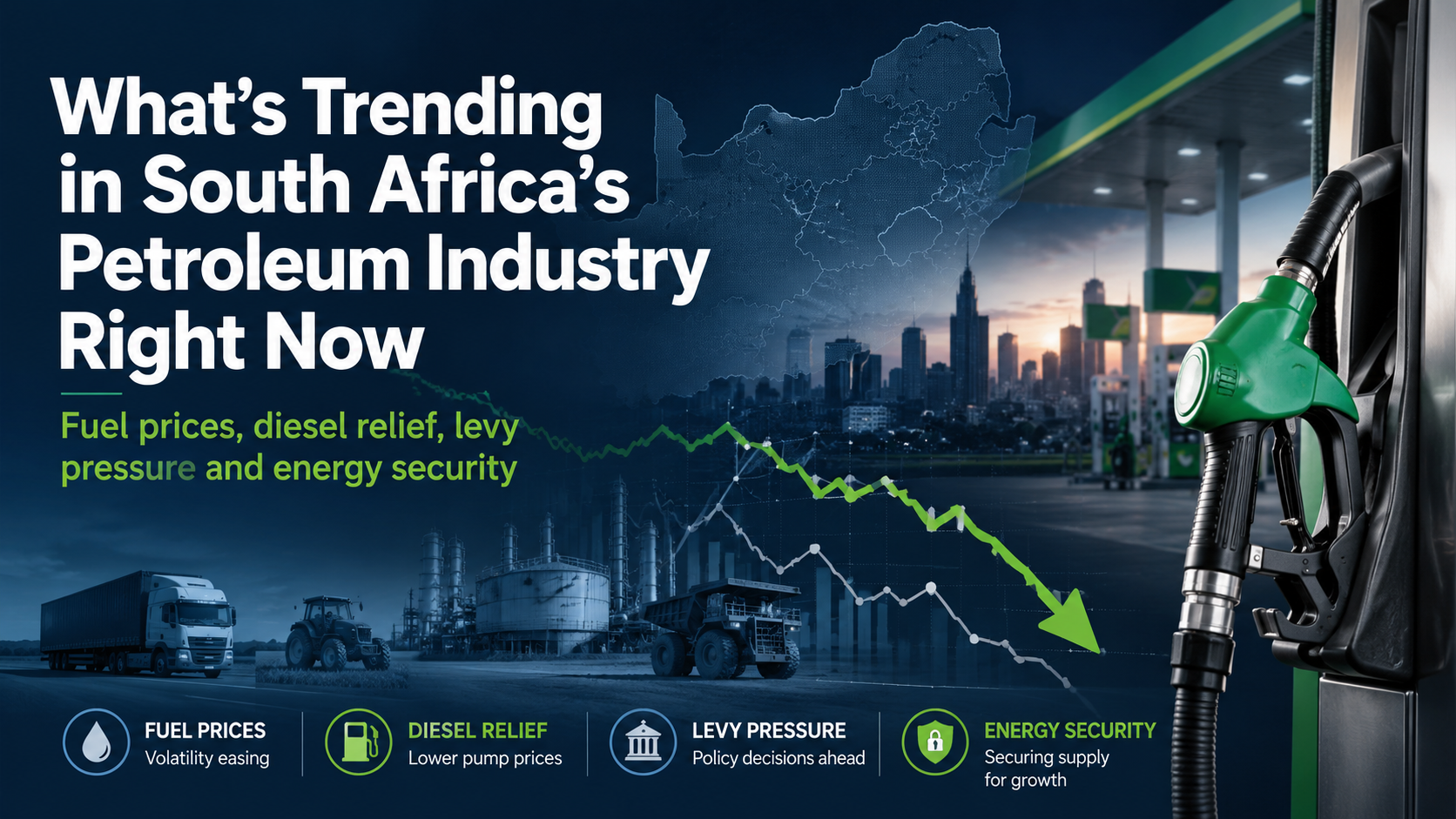
    What’s Trending in South Africa’s Petroleum Industry Right Now

    South Africa’s petroleum industry is currently dominated by one major topic: expected fuel price relief in July 2026.

    After months of pressure from high petrol and diesel prices, early fuel price data suggests that motorists and businesses may finally see meaningful decreases at the pumps. Diesel users, in particular, are expected to benefit from some of the biggest potential decreases.

    However, there is a major catch. The temporary fuel levy relief that helped reduce the impact of recent fuel increases is expected to end from 1 July 2026. This means the final price drop may be smaller than the early recovery numbers suggest.

    For businesses that depend on diesel, petrol, illuminating paraffin, LP Gas and other petroleum products, the message is clear: fuel may become cheaper in July, but the market remains uncertain.

    1. Fuel Prices Are Expected to Drop in July 2026

    The biggest petroleum story right now is the expected drop in fuel prices.

    Current mid-month data points to possible decreases in:

    • Petrol 93
    • Petrol 95
    • Diesel 0.05% sulphur
    • Diesel 0.005% sulphur
    • Illuminating paraffin
    Petroleum Industry South Africa, Fuel Prices South Africa, Diesel Price South Africa, Fuel Levy South Africa
, Slate Levy, Diesel Suppliers, Petroleum Suppliers

Energy Security

Fuel Procurement

Bulk Diesel

Logistics Costs

Verified Suppliers

South African Fuel Market

Petroleum Directory

    Diesel is showing the strongest potential relief, which is important for businesses in logistics, construction, agriculture, mining, plant hire and manufacturing.

    A diesel price decrease can help reduce operating pressure because diesel affects far more than transport. It impacts delivery costs, generator costs, machinery costs, farming input costs and tender pricing.

    2. Diesel Users Could See the Biggest Relief

    Diesel is currently the product receiving the most attention.

    This matters because many South African businesses rely on diesel every day. Trucks, generators, mining equipment, construction machinery, tractors and delivery fleets all depend on reliable diesel supply.

    For businesses buying fuel in bulk, even a small price decrease per litre can make a major difference. A decrease of a few rand per litre can reduce monthly operating costs significantly, especially for companies buying thousands of litres.

    However, buyers should not rush to purchase from the cheapest supplier without doing proper checks. Lower prices often create a rush in the market, and this can expose buyers to scams, poor-quality product or unreliable suppliers.

    3. The Fuel Levy Is Back in Focus

    The second major trend is the fuel levy.

    Government introduced temporary fuel levy relief earlier in 2026 to reduce the impact of sharp fuel price increases. This relief helped cushion motorists and businesses during a period of global oil price pressure and geopolitical uncertainty.

    But the relief is being phased out. From July, the remaining fuel levy relief is expected to fall away, meaning part of the expected price decrease will be reduced.

    This is why many reports are calling the July outlook “good news with a catch.”

    In simple terms, international product prices and a stronger rand are helping fuel prices move lower, but the return of the fuel levy will reduce the final benefit to consumers.

    4. The Rand and Global Oil Prices Are Driving the Outlook

    South Africa’s fuel price is strongly affected by global oil markets and the rand-dollar exchange rate.

    When international oil prices fall, fuel prices in South Africa can improve. When the rand strengthens against the US dollar, imported petroleum products become cheaper. When oil rises or the rand weakens, fuel becomes more expensive.

    Right now, a stronger rand and softer international product prices are helping South Africa’s July fuel price outlook.

    But global petroleum markets remain volatile. Shipping risks, Middle East tensions, international supply disruptions and changes in demand can still affect the final price before the official July fuel adjustment is announced.

    5. Businesses Are Still Under Pressure From Fuel Costs

    Even if fuel prices drop in July, many businesses are still under pressure.

    Fuel affects:

    • Transport and logistics costs
    • Construction project costs
    • Mining operations
    • Farming input costs
    • Generator running costs
    • Plant and machinery expenses
    • Product delivery fees
    • Tender pricing
    • Supplier quotations

    For businesses, fuel is not just a pump price issue. It affects the full cost of doing business.

    A logistics company may need to update delivery pricing. A construction company may need to adjust project costings. A farmer may need to plan seasonal diesel supply. A mining contractor may need to secure reliable bulk diesel deliveries before starting work.

    This is why fuel sourcing has become a serious procurement issue, not just an admin task.

    6. Diesel Supply Planning Is Becoming More Important

    Another important petroleum trend is diesel supply planning.

    Earlier in 2026, some industries raised concerns about diesel availability and the impact of fuel prices on export and supply chains. Agriculture, transport and logistics are especially vulnerable because they depend heavily on road freight.

    This is important for South Africa because many goods are moved by road to ports, warehouses, farms, mines and construction sites. If diesel becomes difficult to access or too expensive, supply chains can be affected quickly.

    Businesses should not wait until there is an urgent shortage or price spike before looking for suppliers. They should build relationships with reliable suppliers early, compare options and confirm delivery capability.

    7. The Risk of Chasing the Cheapest Fuel Price

    Whenever fuel prices move, buyers start looking for better deals. This is understandable, especially when businesses are trying to protect margins.

    But the cheapest fuel offer is not always the safest.

    A low-price offer can become expensive if:

    • The supplier is not legitimate
    • The supplier cannot prove supply
    • The fuel is mixed or contaminated
    • Delivery is delayed
    • Banking details are suspicious
    • The supplier disappears after payment
    • The product damages vehicles or machinery

    For businesses using expensive trucks, yellow machines, generators or mining equipment, poor-quality fuel can cause serious financial damage. The cost of repairs, downtime and missed deadlines can be much higher than the saving from a cheaper quote.

    8. Verified Petroleum Suppliers Are Becoming More Important

    As fuel prices remain volatile, supplier verification is becoming more important.

    Buyers want to know that the supplier they are dealing with is a real business, has proper documentation, can deliver, and can provide relevant proof where required.

    A reliable petroleum supplier should be able to provide basic business information, proof of supply, contact details, delivery capacity and compliance documents where applicable.

    This is where Petroleum Directory South Africa helps.

    Petroleum Directory connects South African businesses with vetted petroleum suppliers. Buyers can browse supplier profiles, compare options and request quotes from suppliers that have gone through a verification process.

    The goal is to help businesses reduce risk, save time and source fuel with more confidence.

    9. What Buyers Should Do Right Now

    If your business uses diesel, petrol, illuminating paraffin, LP Gas or other petroleum products, now is a good time to review your fuel sourcing process.

    Before placing your next order, check:

    • What product you need
    • The required volume
    • Delivery location
    • Delivery window
    • Supplier registration details
    • Supplier verification status
    • Proof of previous deliveries
    • Product quality information
    • Payment terms
    • Delivery capability

    Fuel prices may drop in July, but buyers should still make careful decisions.

    Final Thought

    The petroleum industry in South Africa is currently focused on expected July fuel price relief, diesel price decreases, the return of the fuel levy and continued market uncertainty.

    For consumers, this may bring some relief at the pumps. For businesses, it creates an opportunity to reduce costs, but also a reminder to source fuel carefully.

    The smartest move is not only to look for cheaper fuel. The smarter move is to compare suppliers, check verification and work with reliable petroleum businesses that can deliver.

    Find verified petroleum suppliers in South Africa:

  • Petrol Fuel Prices South Africa: What to Expect — Petroleum Directory

    Petrol Fuel Prices South Africa: What to Expect — Petroleum Directory

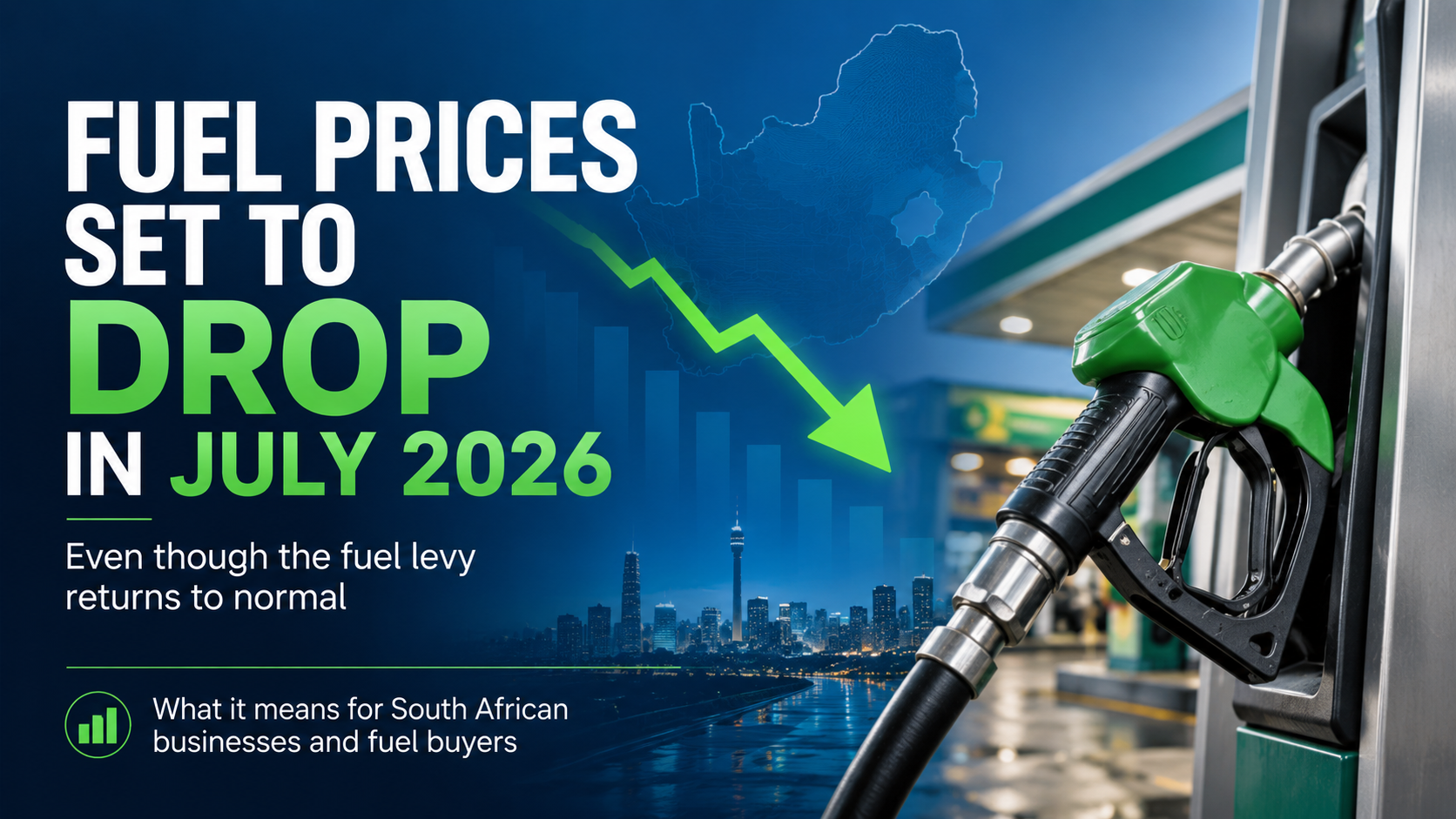
    South African motorists and businesses may finally receive some relief at the pumps in July 2026, with early fuel price data pointing to possible decreases for petrol, diesel and illuminating paraffin.

    This comes after months of heavy pressure from rising fuel prices, which have affected households, transport companies, construction businesses, farmers, logistics operators and other industries that depend on petroleum products.

    The good news is that current mid-month data suggests fuel prices are on course to drop in July. The bad news is that the full fuel levy is expected to return, which means the final decrease may be smaller than many people expect.

    What Is Happening With Fuel Prices?

    Early July fuel price data shows that South Africa is currently experiencing overrecoveries across major fuel types. In simple terms, an overrecovery means fuel prices are currently trending lower and may result in a price drop at the next adjustment.

    Current data points to possible decreases in:

    • Petrol 93
    • Petrol 95
    • Diesel 0.05% sulphur
    • Diesel 0.005% sulphur
    • Illuminating paraffin
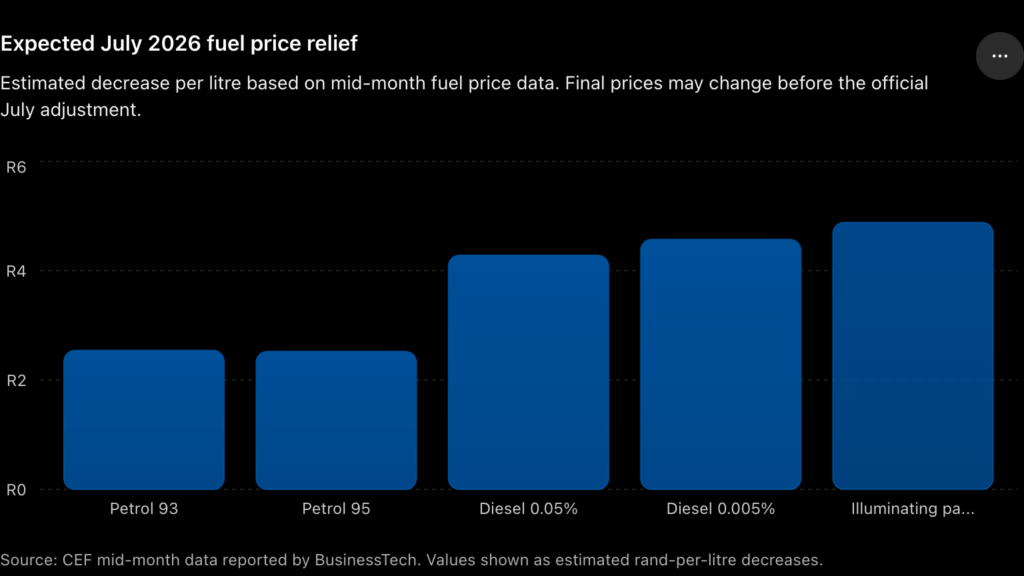
    Estimated July 2026 fuel price decreases show diesel and illuminating paraffin receiving the biggest potential relief, although the final pump price may be reduced by the return of the normal fuel levy.

    Note: These are mid-month estimates and not the final official July fuel prices. Final prices may change due to exchange rates, international oil prices, the slate levy and the return of the normal fuel levy.

    Diesel is showing some of the strongest recovery, which is important for businesses that rely on transport, machinery, generators and bulk fuel supply.

    Why the Fuel Levy Still Matters

    Even though fuel prices are expected to decrease, the full benefit may not reach consumers because the temporary fuel levy relief is coming to an end.

    Earlier in 2026, government introduced temporary fuel levy relief to reduce the impact of high fuel prices. This relief helped soften some of the increases caused by global oil price pressure and international uncertainty.

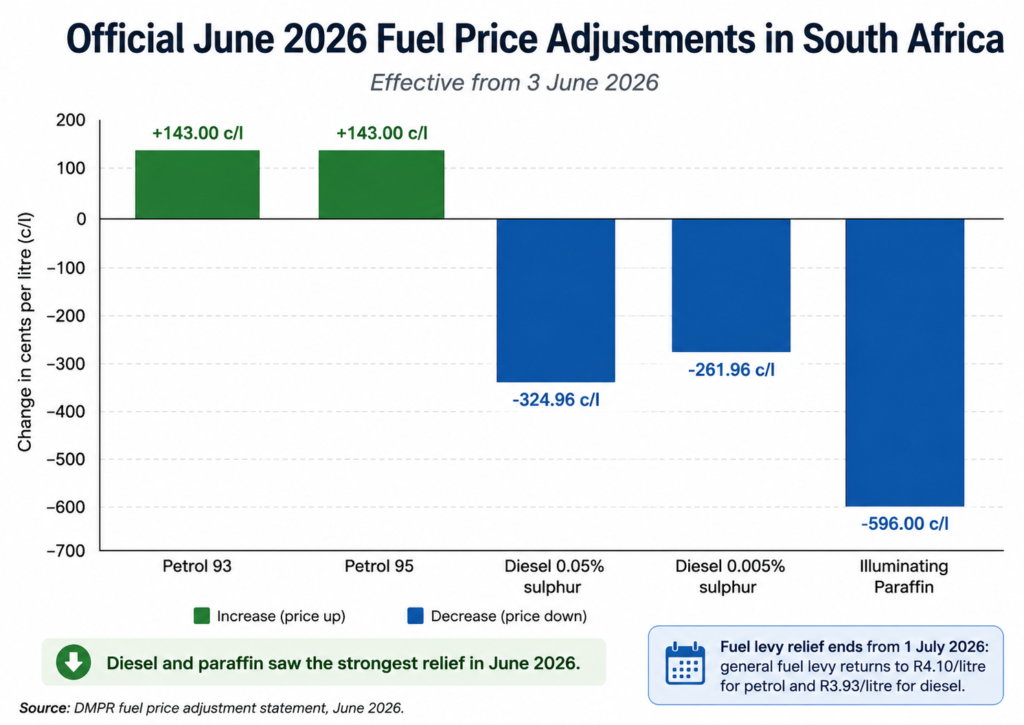
    However, the relief was reduced in June and is expected to fall away completely from 1 July 2026. This means the general fuel levy will return to its normal level.

    As a result, the actual fuel price decrease may be reduced once the levy is added back.

    Why Prices Are Still Expected to Drop

    Fuel prices are influenced by several factors, including:

    • International oil prices
    • The rand-dollar exchange rate
    • Import costs
    • Local levies and taxes
    • Slate levy adjustments
    • Global supply and demand

    At the moment, the expected drop is being supported by lower international product prices and a stronger rand. These positive factors are helping to offset the impact of the fuel levy returning to normal.

    However, the final price is not confirmed yet. Fuel prices can still change before the official July announcement, depending on oil markets and the exchange rate.

    What This Means for Businesses

    For South African businesses, a fuel price drop would be welcome news.

    Fuel affects far more than everyday transport. It directly influences:

    • Delivery costs
    • Logistics pricing
    • Construction project costs
    • Mining operations
    • Farming input costs
    • Generator running costs
    • Plant and machinery expenses
    • Tender pricing
    • Supplier quotations

    When fuel becomes cheaper, businesses may have a chance to reduce operating costs or improve margins. But this does not mean businesses should rush to buy from the cheapest supplier without proper checks.

    The Risk of Chasing the Cheapest Fuel Price

    Whenever fuel prices change, many buyers start looking for better deals. This is understandable, especially for businesses buying diesel in bulk.

    But in the petroleum industry, price should never be the only factor.

    A cheap fuel offer can become expensive if:

    • The supplier is not legitimate
    • The product is mixed or contaminated
    • Delivery is delayed
    • The supplier cannot prove supply
    • Payment is made to the wrong account
    • The seller disappears after deposit
    • The fuel damages machinery or vehicles

    For businesses running expensive trucks, generators, yellow machines or mining equipment, poor-quality fuel can cause serious financial damage.

    Why Verified Suppliers Matter

    A reliable supplier should be able to provide basic business information, proof of supply, clear contact details and relevant documents where required.

    This is where Petroleum Directory South Africa helps.

    Petroleum Directory connects buyers with vetted petroleum suppliers across South Africa. Instead of searching randomly online or trusting unknown sellers, buyers can use the platform to find suppliers that have gone through a verification process.

    The goal is to make fuel sourcing safer, faster and more reliable for serious buyers.

    What Buyers Should Do Before July

    If your business uses diesel, petrol, illuminating paraffin, LP Gas or other petroleum products, now is a good time to prepare.

    Before placing your next order, check:

    • What product you need
    • Your required volume
    • Delivery location
    • Delivery deadline
    • Supplier documents
    • Proof of previous deliveries
    • Product quality information
    • Payment terms
    • Supplier verification status

    Planning ahead can help your business avoid rushed buying decisions and reduce the risk of scams.

    Final Thought

    July 2026 could bring welcome fuel price relief for South Africa, even though the fuel levy is returning to normal. For businesses, this may help reduce some operating pressure after months of high fuel costs.

    But lower prices should not lead to careless buying.

    The smarter move is to compare properly, verify suppliers and choose reliable petroleum businesses that can deliver.


    Find verified petroleum suppliers in South Africa

  • South African Businesses Are Under Pressure From Fuel Costs

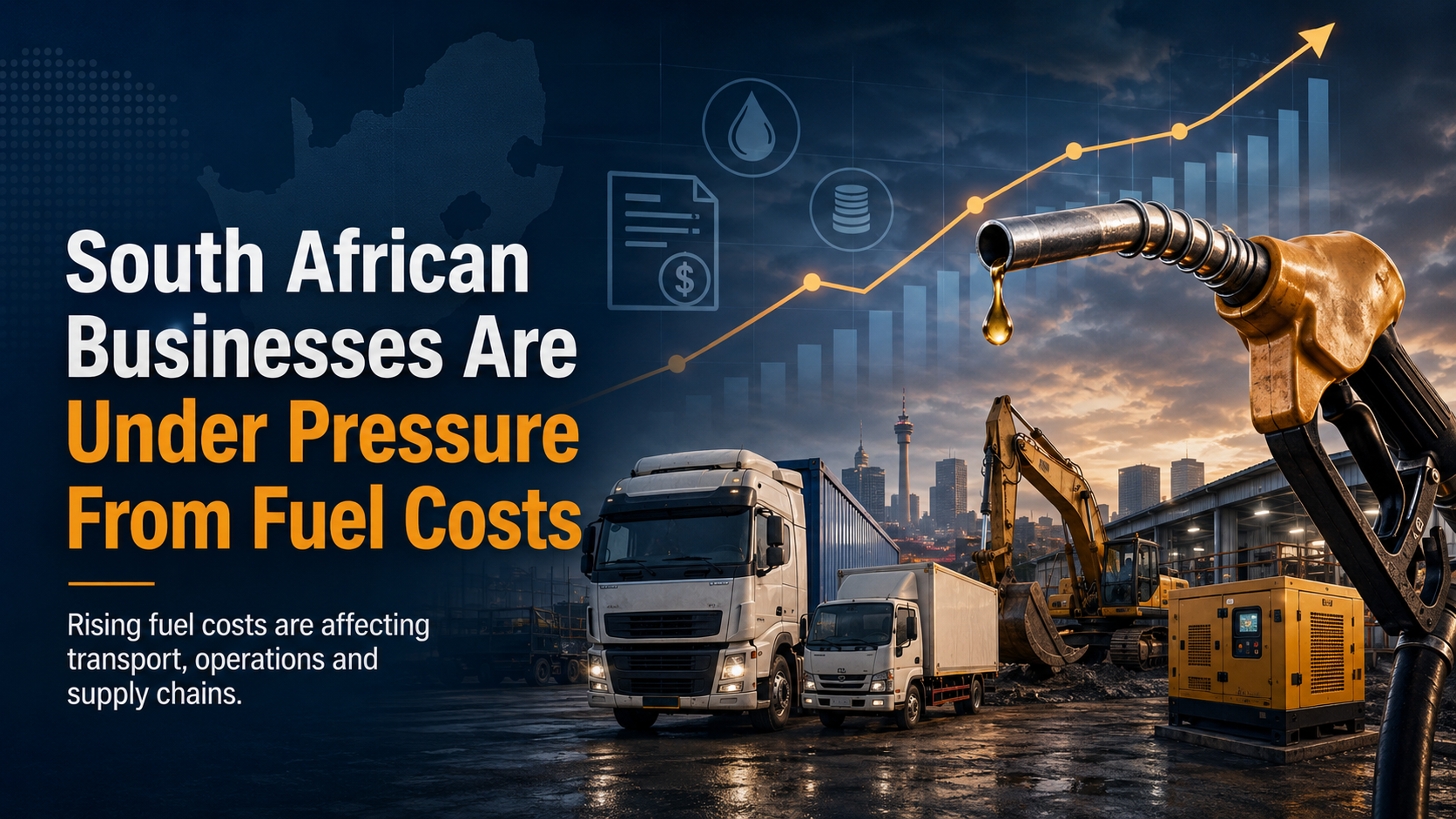
    South African Businesses Are Under Pressure From Fuel Costs

    Fuel costs continue to affect South African businesses. Learn how diesel and petroleum prices impact operations and supplier decisions.

    Fuel costs remain one of the biggest challenges for many South African businesses. Whether a company runs trucks, generators, mining equipment, construction machinery or delivery vehicles, fuel affects daily operations.

    When fuel prices rise, businesses feel the pressure quickly. When prices drop, businesses may get relief, but uncertainty remains because fuel prices can change again the following month.

    This is why reliable fuel sourcing has become a serious business issue.

    Fuel Affects More Than Transport

    Many people think fuel prices only affect motorists. In reality, fuel costs affect almost every part of business.

    Fuel prices can influence:

    Delivery fees

    Product pricing

    Tender costs

    Project deadlines

    Machinery expenses

    Generator costs

    Farming input

    costs Logistics and supply chain costs

    For a business that uses large volumes of diesel, a fuel price change can affect profit margins immediately.

    The Risk of Chasing the Cheapest Supplier

    When businesses are under pressure, it is tempting to choose the cheapest supplier. But in the petroleum industry, price should not be the only factor.

    A cheap fuel offer can become expensive if the supplier fails to deliver, delivers late, provides poor-quality product, or disappears after payment.

    Some buyers also face the risk of mixed or contaminated diesel. This can damage engines, machinery and equipment. The repair costs can be much higher than the small saving from choosing a cheaper supplier.

    What Businesses Should Do

    Businesses should build a better fuel sourcing process.

    Before accepting a quote, check:

    Supplier registration details

    Location and delivery area

    Product availability

    Delivery lead times

    Proof of past deliveries

    Compliance documents

    Quality documents where necessary

    Clear contact information

    A serious supplier should not struggle to provide basic business information.

    Petroleum Directory Makes Fuel Sourcing Easier

    Petroleum Directory South Africa helps buyers find vetted petroleum suppliers in one place. Instead of searching through random contacts, buyers can browse supplier profiles and connect with suppliers that have gone through a verification process.

    This helps save time, reduce risk and improve procurement confidence.

    Final Thought

    Fuel costs are putting pressure on South African businesses, but the solution is not only to find cheaper fuel. The smarter solution is to find reliable suppliers, compare properly and reduce the risk of bad deals.

    Find verified petroleum suppliers in South Africa: https://www.petroleumdirectory.co.za