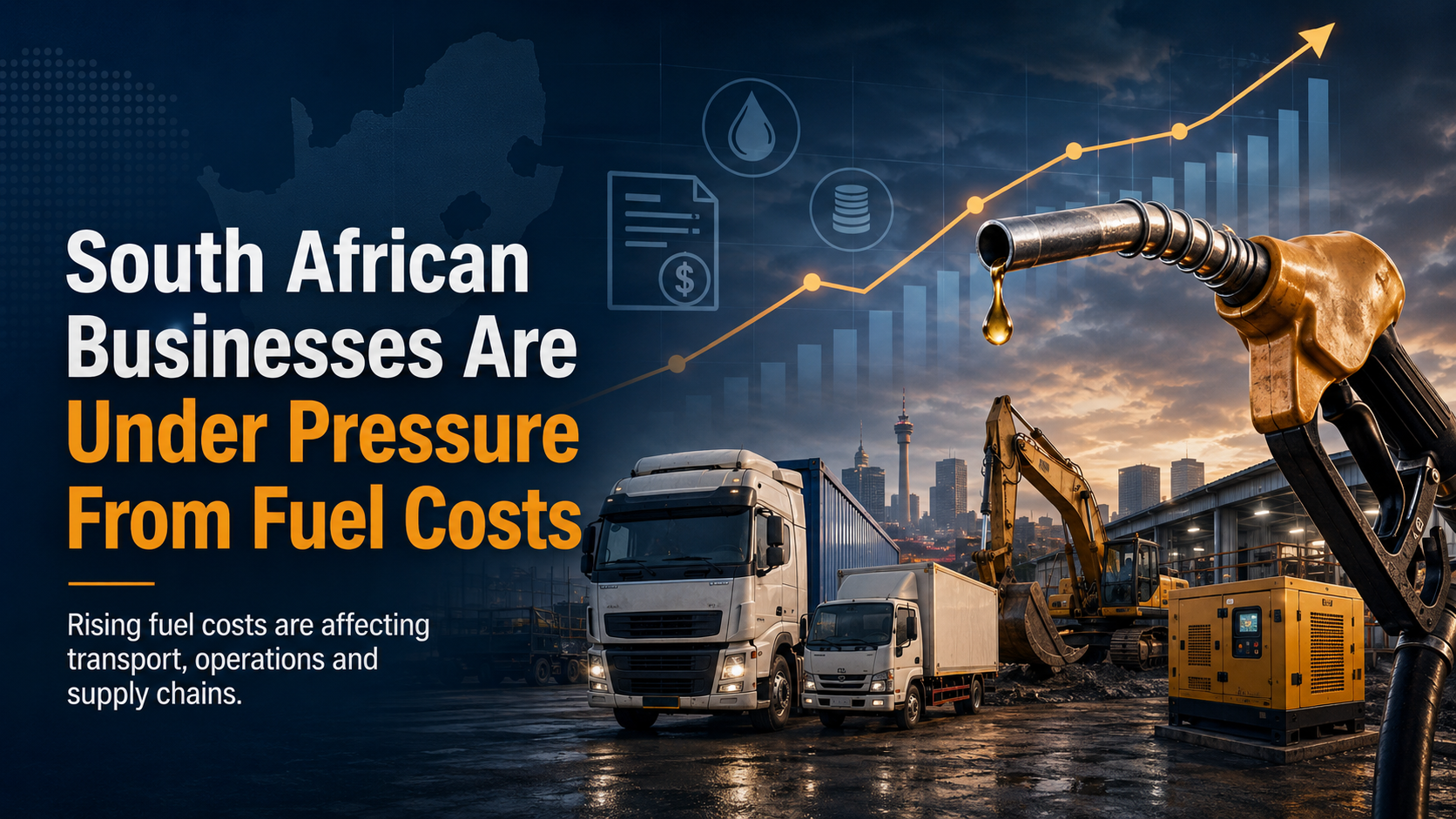
Fuel costs continue to affect South African businesses. Learn how diesel and petroleum prices impact operations and supplier decisions.
Fuel costs remain one of the biggest challenges for many South African businesses. Whether a company runs trucks, generators, mining equipment, construction machinery or delivery vehicles, fuel affects daily operations.
When fuel prices rise, businesses feel the pressure quickly. When prices drop, businesses may get relief, but uncertainty remains because fuel prices can change again the following month.
This is why reliable fuel sourcing has become a serious business issue.
Fuel Affects More Than Transport
Many people think fuel prices only affect motorists. In reality, fuel costs affect almost every part of business.
Fuel prices can influence:
Delivery fees
Product pricing
Tender costs
Project deadlines
Machinery expenses
Generator costs
Farming input
costs Logistics and supply chain costs
For a business that uses large volumes of diesel, a fuel price change can affect profit margins immediately.
The Risk of Chasing the Cheapest Supplier
When businesses are under pressure, it is tempting to choose the cheapest supplier. But in the petroleum industry, price should not be the only factor.
A cheap fuel offer can become expensive if the supplier fails to deliver, delivers late, provides poor-quality product, or disappears after payment.
Some buyers also face the risk of mixed or contaminated diesel. This can damage engines, machinery and equipment. The repair costs can be much higher than the small saving from choosing a cheaper supplier.
What Businesses Should Do
Businesses should build a better fuel sourcing process.
Before accepting a quote, check:
Supplier registration details
Location and delivery area
Product availability
Delivery lead times
Proof of past deliveries
Compliance documents
Quality documents where necessary
Clear contact information
A serious supplier should not struggle to provide basic business information.
Petroleum Directory Makes Fuel Sourcing Easier
Petroleum Directory South Africa helps buyers find vetted petroleum suppliers in one place. Instead of searching through random contacts, buyers can browse supplier profiles and connect with suppliers that have gone through a verification process.
This helps save time, reduce risk and improve procurement confidence.
Final Thought
Fuel costs are putting pressure on South African businesses, but the solution is not only to find cheaper fuel. The smarter solution is to find reliable suppliers, compare properly and reduce the risk of bad deals.
Find verified petroleum suppliers in South Africa: https://www.petroleumdirectory.co.za
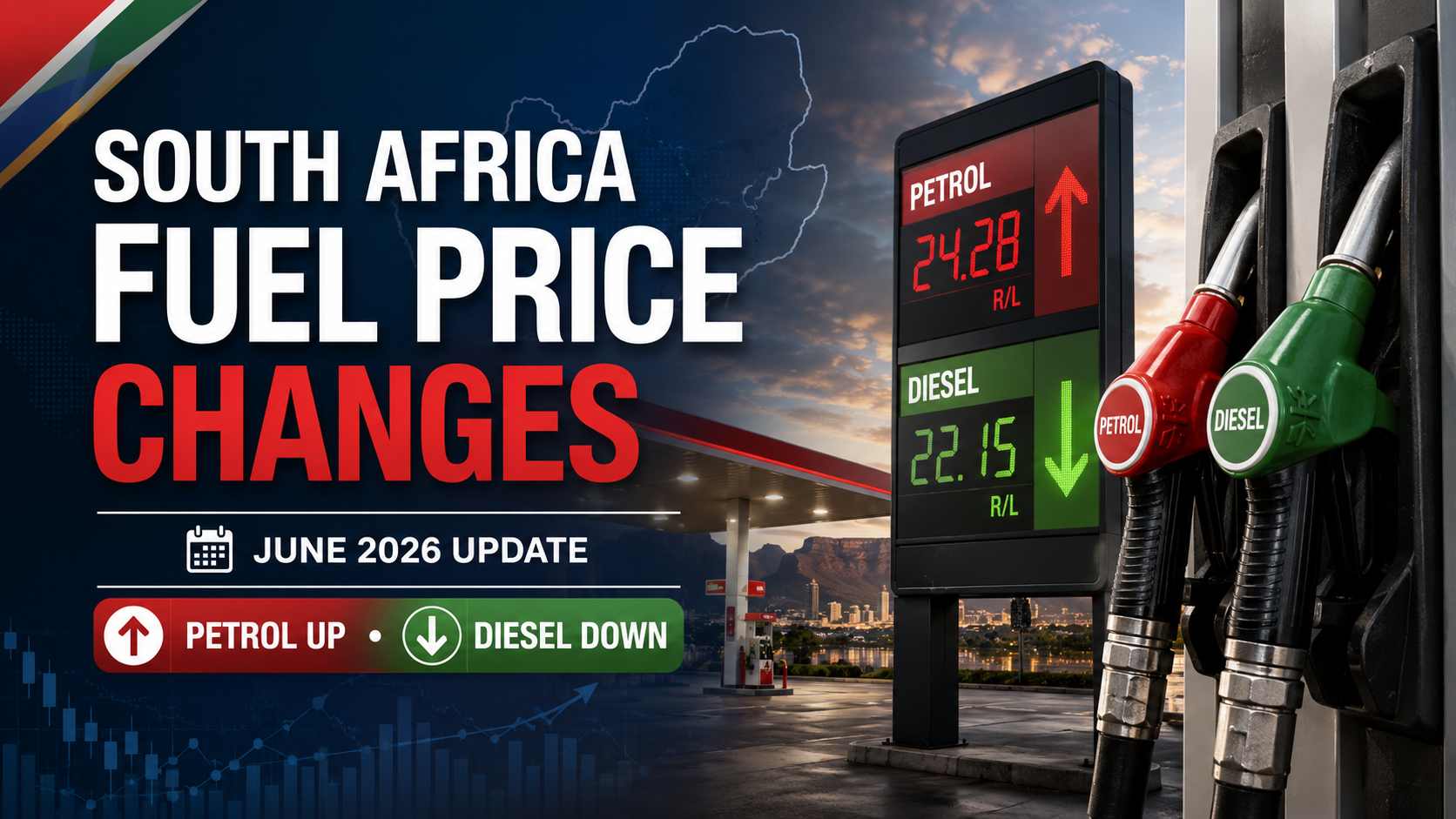
South Africa’s latest fuel price changes bring higher petrol prices but lower diesel prices. See what this means for businesses buying diesel, petrol, paraffin, LPG and other petroleum products.
South Africa’s fuel prices changed again from Wednesday, 3 June 2026, bringing mixed news for motorists, transport companies, construction businesses, farmers, mines, factories and any company that depends on petroleum products.
Petrol users are paying more at the pump, while diesel users finally receive some relief after recent pressure on fuel costs. For businesses that buy in bulk, this latest adjustment is a reminder that fuel planning is no longer just an accounting issue. It affects delivery costs, project pricing, fleet management, generator running costs, farming operations, mining support services and day-to-day cash flow.
Whether your business buys diesel, petrol, illuminating paraffin, LPG, lubricants or other petroleum products, understanding these fuel price changes can help you plan better and source from reliable suppliers.
Latest South African Fuel Price Changes for June 2026
The latest official fuel price adjustment shows the following changes:
Product
June 2026 Change
Petrol 93
Increase of R1.43 per litre
Petrol 95
Increase of R1.43 per litre
Diesel 0.05% sulphur
Decrease of R3.25 per litre
Diesel 0.005% sulphur
Decrease of R2.62 per litre
Illuminating Paraffin
Decrease of R5.96 per litre
LPGas
Slight decrease per kg
This means petrol motorists and petrol-dependent businesses will feel another increase, while diesel-heavy industries such as transport, logistics, construction, agriculture and mining may see some short-term relief.
However, businesses should not treat the diesel decrease as a guarantee that prices will stay low. South Africa’s fuel price is adjusted monthly and can move quickly based on international oil prices, the rand/dollar exchange rate, shipping costs, levies and global supply issues.
Why Did Petrol Increase While Diesel Decreased?
The latest fuel price movement is not caused by one single factor. It comes from a mix of global and local pricing pressure.
1. Brent crude oil remained high
South Africa imports crude oil and finished petroleum products, meaning local prices are strongly affected by international oil markets. When crude oil prices rise, local fuel prices often follow.
2. The rand performed slightly better against the US dollar
Fuel is priced internationally in dollars, so the rand/dollar exchange rate matters. A stronger rand can reduce some pressure on local fuel prices, while a weaker rand can make fuel more expensive.
3. Diesel and paraffin product prices dropped more than petrol
International diesel and paraffin prices decreased more than petrol prices during the review period. This helped create the diesel price decrease seen in June.
4. The fuel levy relief was reduced
Government had provided temporary fuel levy relief to reduce the impact of high fuel prices. In June, part of that relief was removed, which added pressure back into the petrol and diesel price structure.
5. The slate levy increased
The slate levy is used to recover under-recoveries in the fuel pricing system. When this levy rises, it adds to the final regulated fuel price.
What This Means for Businesses Buying Diesel
For companies that use bulk diesel, the June decrease is welcome. Diesel is one of the most important operating costs in South Africa because it powers trucks, generators, yellow machinery, mining equipment, farm vehicles and delivery fleets.
A lower diesel price can help reduce operating costs in sectors such as:
Logistics and transport
Construction and plant hire
Agriculture and farming
Mining and quarrying
Manufacturing and factories
Backup power and generator users
Warehousing and distribution
Retail groups with delivery fleets
But businesses should still compare supplier quotes carefully. The regulated wholesale diesel price is only part of the final cost. Your delivered diesel price may also include transport, supplier margin, location, volume, payment terms, delivery urgency and product quality requirements.
If your business buys diesel regularly, ask suppliers for clear pricing that includes:
Diesel grade and sulphur level
Price per litre
Delivery fee or transport cost
Minimum order quantity
Delivery location and lead time
Proof of supply source
Quality documentation where available
What Petrol Price Increases Mean for South African Companies
The petrol price increase affects more than private motorists. Many small businesses, sales teams, service companies and light delivery operators still rely on petrol vehicles.
A higher petrol price may increase costs for:
Sales representatives
Courier and local delivery services
Field technicians
Small business owners
Security companies
Cleaning and maintenance teams
Service-based businesses with daily travel
Businesses should update their travel budgets, delivery pricing and service-call fees where necessary. Even small fuel price increases can become expensive when multiplied across a full month of business travel.
Why Reliable Petroleum Suppliers Matter More During Price Changes
When fuel prices move sharply, businesses often rush to find cheaper suppliers. This can create risk. Some suppliers may advertise low prices but fail to deliver, provide poor-quality product, delay orders or operate without proper documents.
For petroleum products, the cheapest quote is not always the safest quote.
Businesses should look for suppliers who can show:
Proper business registration
Fuel trading licence where applicable
Clear supply source
Delivery capability
Proof of previous work
Product quality documents where available
Clear communication and response times
For diesel buyers especially, quality matters. Contaminated or off-spec diesel can damage equipment, block filters, cause downtime and create expensive repair bills.
How to Source Fuel More Safely in South Africa
Before placing an order for diesel, petrol, paraffin, LPG or other petroleum products, businesses should follow a simple sourcing checklist.
Check the supplier’s details
Make sure the company name, registration details, contact person and trading details are consistent.
Ask what product is being supplied
Confirm whether you are buying diesel 50ppm, diesel 500ppm, petrol 93, petrol 95, illuminating paraffin, LPG or another petroleum product.
Confirm delivery ability
Ask if the supplier can deliver to your province, city, site or depot. Delivery radius and lead time matter, especially for remote sites.
Request proof where needed
For large or repeat orders, ask for supporting documents such as supply proof, delivery history, licence documents or lab reports where applicable.
Compare more than one quote
Fuel prices change monthly, but supplier pricing can also differ based on volume, location and delivery terms. Getting multiple quotes helps your business make a better decision.
Fuel Price Changes Create an Opportunity for Buyers and Suppliers
For buyers, price changes are a chance to review current suppliers, compare quotes and improve procurement controls.
For suppliers, fuel price changes create demand from businesses looking for reliable supply, better response times and clearer pricing.
This is why a verified petroleum supplier directory is useful. It helps buyers find suppliers faster and helps suppliers receive more relevant enquiries from serious business clients.
Businesses searching online for terms such as bulk diesel suppliers, diesel suppliers near me, petroleum suppliers South Africa, fuel suppliers Gauteng, petrol suppliers, paraffin suppliers, LPG suppliers or wholesale fuel suppliers are usually looking for speed, trust and clear communication.
Find Petroleum Suppliers in South Africa
If your business needs diesel, petrol, paraffin, LPG or other petroleum products, use Petroleum Directory South Africa to find suppliers and request quotes.
The platform helps connect businesses with petroleum suppliers and supports safer sourcing through supplier profiles, verification indicators and RFQ enquiries.
Whether you are buying fuel for a fleet, generator, construction site, farm, mine, warehouse or factory, comparing suppliers can help you manage price changes and reduce supply risk.
Final Thoughts
South Africa’s latest fuel price changes show how quickly the market can move. Petrol has increased, diesel has decreased, and paraffin and LPG have also shifted. For households, this affects monthly budgets. For businesses, it affects margins, delivery costs, project pricing and operational planning.
The best approach is to stay informed, compare suppliers, understand the full delivered price and work with petroleum suppliers that can provide clear documentation and reliable service.
Fuel prices may change every month, but your sourcing process should stay consistent: compare, verify and plan ahead.